A Journey Beyond Comfort
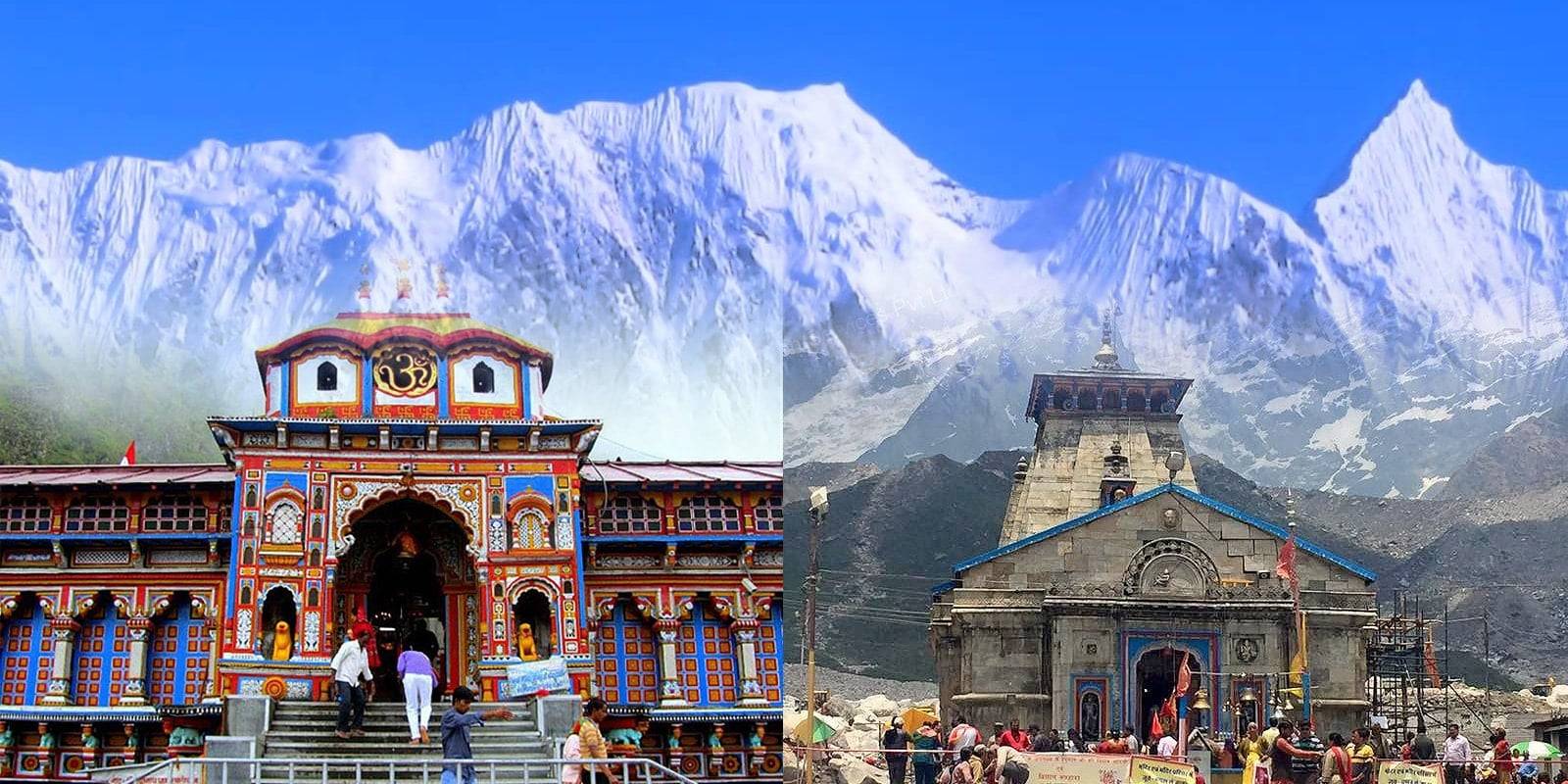
The Do Dham Yatra: This is a complete physical and emotional detox. The Do Dham Yatra, meaning ‘Two Shrines,’ is a focused, intense quest to meet the divine in its rawest form—Lord Shiva and Lord Vishnu—high above the clouds.
Why do we do it? Why do we trade comfortable beds for cramped taxis and gasp for breath on steep trails? Because these mountains strip away the nonsense. The sheer effort of reaching these temples is the offering itself. It’s the shedding of your city stress, your ego, and your endless to-do list.
When the Himalayas call, you don’t just book a trip; you answer a calling to figure out who you really are.
Kedarnath: The Abode of Shiva
It’s set in a remote, raw valley, and its story is ancient, tying back to the great epic, the Mahabharata.
Legend has it that after the Kurukshetra war, the Pandavas felt deep guilt for killing their family. They sought Lord Shiva to forgive them. Shiva, ever the trickster, transformed into a bull and hid among cattle! When the Pandavas chased him, he dove into the ground. But before he vanished completely, Bhima grabbed his hump.
That very hump reappeared here, becoming the unique, triangular, self-manifested stone of the Jyotirlingam. It’s not a fancy idol; it’s a rough, powerful stone form of Shiva.
The feeling in Kedarnath is absolutely electric. It’s a place of penance, reckoning, and incredible power. Shiva here teaches you the hard truth: you must face your challenges head-on to find renewal.
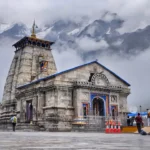
Seeing that incredible stone temple, standing defiant after the devastating 2013 floods, is a testament to the sheer force of faith. You just know that a higher power wanted that shrine to stay.
Badrinath: The Realm of the Protector Vishnu
Now, travel a little further, and the feeling shifts entirely. Badrinath, nestled between the towering Nar and Narayan peaks, is the serene home of Lord Vishnu, the preserver. It’s like stepping into a peaceful, protected garden after a wilderness trek.
Our central idol is unique: it’s Lord Vishnu sitting in deep meditation (Padmasana), which is very rare. The story goes that Vishnu was meditating here in the freezing cold, and his consort, Goddess Lakshmi, took the form of the local Badri (Jujube) tree to shield him from the snow. That’s why it’s called Badrinath—the Lord of the Badri Tree.
Badrinath is all about soothing, nurturing, and quiet harmony. The temple is colourful and vibrant, and the atmosphere wraps around you like a warm hug. After the intensity of Shiva’s abode, Badrinath feels like Vishnu is telling you, “Well done, my child. Rest now. I’ll take care of the rest.”
The Journey Begins: Reaching the Abode of Gods
So, how do you actually get to these faraway places? Forget flying first class. This is where the real adventure begins!
The Mountain Taxi and the Road’s Poetry
Most of us start our journey from the spiritual hubs of Haridwar or Rishikesh. The road trip that follows is not a drive; it’s an experience in itself. You cram into shared jeeps or small buses, and the journey is slow, winding, and utterly terrifyingly beautiful.
The driver becomes your guru. You watch them expertly navigate sheer cliffs and hair-pin bends, often just inches from a vertical drop. You learn to put your life—and your faith—in their hands.
Patience is the New Currency
Landslides are guaranteed. You will sit for hours, waiting for a road crew to clear the path. Instead of getting angry, you learn the biggest lesson of the Yatra: patience. You realize you’re on ‘mountain time.’ You make friends, share snacks, and accept that the journey dictates the pace, not your watch.
Prep Talk
You need to prepare your body for the cold and the high altitudes, especially for Kedarnath. But more than that, you prepare your mind to let go of comfort. You accept simple food, shared rooms, and zero cell service. And honestly? It’s freeing.
Kedarnath: The Abode of Shiva
The trek to Kedarnath is the most famous part of the pilgrimage.
The Ascent: Foot by Foot, Prayer by Prayer
That first morning at Gaurikund felt overwhelming. The air was thin, my city lungs were protesting immediately, and the thought of climbing all day was daunting. I remember looking at my backpack and thinking, “Why didn’t I pack lighter?!”
But then, the magic happens. You’re not walking alone. You’re part of a massive, beautiful human chain.
Your physical pain becomes secondary. You are pulled by this energy of millions who have walked this path before you. Every aching step is an offering, a way of proving to yourself that you are stronger than you thought. The scenery—the pine forests, the cascading waterfalls, the snow-capped giants—is just the most spectacular distraction you could ask for.
The Valley of Power and Resilience
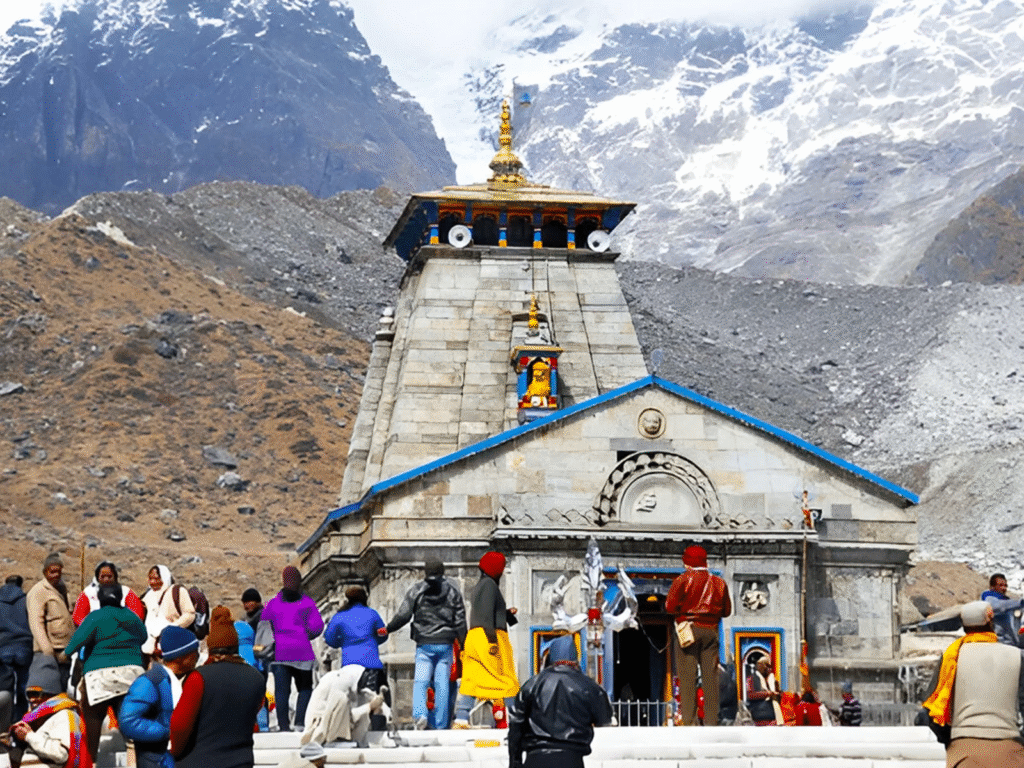
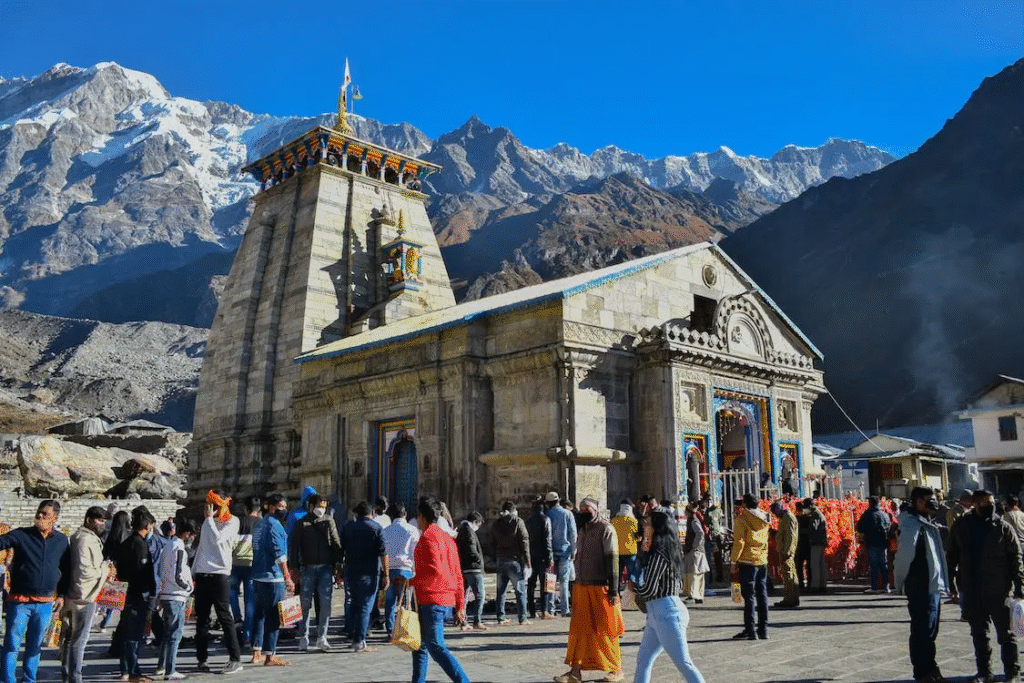
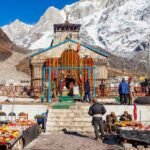
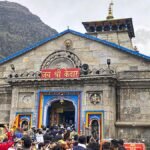
And then, you arrive. The valley opens up, and there it is: the magnificent, grey stone temple of Kedarnath. It literally takes your breath away
The feeling here is intense, almost ancient. The mountain peaks crowd in, forming a natural, silent parliament around the temple. When you remember the 2013 tragedy, the fact that this temple still stands—protected by a huge, divine-looking rock that diverted the flood’s main fury—sends shivers down your spine.
The Darshan Moment
Stepping into the dark, cold interior of the temple to meet the Jyotirlingam is the culmination of the whole effort. When your hand finally touches that unique stone, triangular hump—Shiva’s form—it’s an absolute release. All the pain, the cold, the waiting—it vanishes. It’s just you and the Lord of Transformation. It’s silence, gratitude, and a profound sense of having arrived home.
Badrinath: The Realm of Vishnu
After the intense, physical drama of Kedarnath, Badrinath is the sweet reward. It’s the tranquility you crave.
The Gentle Beauty and the Healing Springs
Badrinath welcomes you with open arms, nestled in a colourful, wide valley alongside the roaring Alaknanda River.
The first, essential ritual is a dip in the Tapt Kund. This is a natural, geothermal hot spring right next to the freezing river. Trust me, the sheer audacity of jumping into a steaming pool in sub-zero temperatures is a shock! But it cleanses the body and prepares your mind for the darshan. You feel instantly energized and strangely pure.
The Temple’s Quiet Grandeur
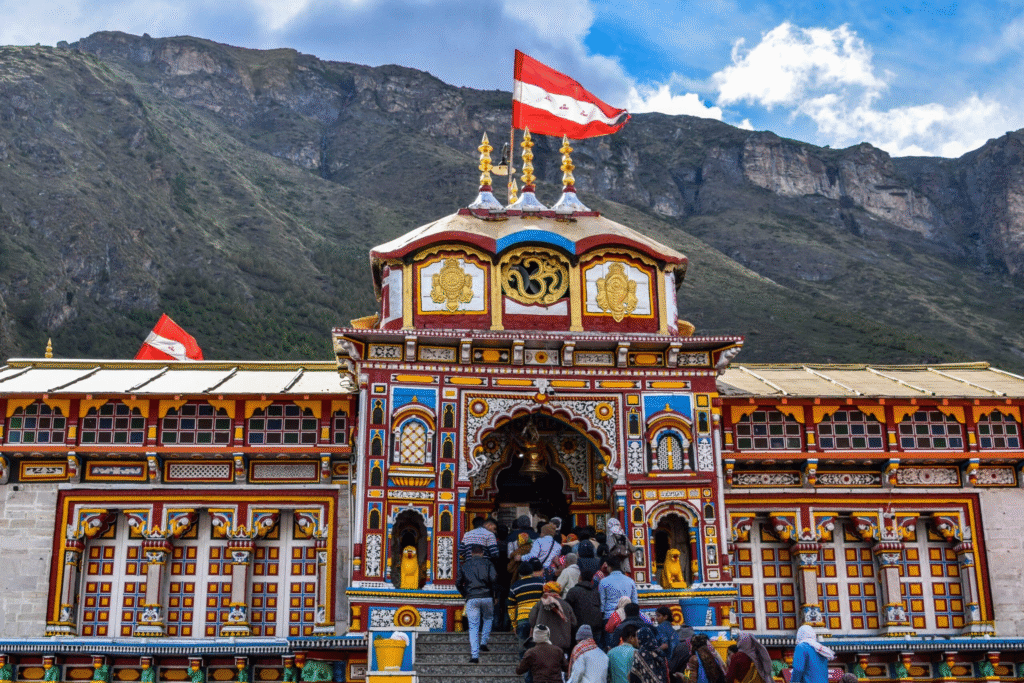
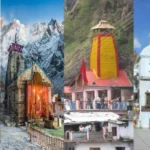
The Badrinath temple is beautiful, painted in vibrant hues that pop against the icy blue sky. The atmosphere is one of peaceful, devoted ritual.
The Darshan of the Yogi
Standing before the meditating Lord Vishnu—Badri Vishal—is incredibly calming. He’s the Great Preserver, the yogi deep in thought. It’s a serene, gentle energy that fills the space. Here, the prayers shift from asking for strength (Shiva) to asking for harmony, balance, and protection (Vishnu) in our lives. It feels like a beautiful, powerful prayer answered silently.
The Storytelling Village
Just up the road is Mana Village, often called the last village of India. It’s famed as the place where the legendary sage Vyasa dictated the entire Mahabharata to Ganesha. Walking through those narrow lanes, you feel connected to thousands of years of human thought and storytelling. You realize this isn’t just about faith; it’s about the very foundation of Indian culture.
Badrinath is the gentle hand of Vishnu, saying, “After you’ve faced the fire, come, let me restore you.”
Between the Two Dhams: The Scenic and Spiritual Path
The drive between these two divine poles—a journey often broken up over several days of winding through valleys—is where the real lessons integrate into your soul.
The Majesty of the Himalayas
The scenery is just relentless beauty. It’s a road trip full of spiritual metaphors:
Confluence Magic: You stop at the Prayags—like Rudraprayag, where two powerful rivers crash together. Watching two separate rivers, often different colours, merge into one great stream is the perfect image of our own lives: the blending of different experiences, joys, and struggles into one flowing destiny.
The Himalayan Scale: The mountains are huge, overwhelming, and utterly humbling. When you stand next to a peak that has existed for millions of years, your daily worries about traffic or emails simply vanish. You realize how tiny you are, and that feeling is surprisingly peaceful. It’s the universe reminding you to let go of your massive ego.
Acceptance is Liberation: The whole Yatra teaches the mantra of surrender. You have no control over the weather, the road, or the electricity. You simply accept the moment as it is. That bumpy, slow, frustrating drive becomes the very practice of meditation. The destination isn’t just the temple; the entire path is the spiritual classroom.
Practical Tips for Pilgrims: Wisdom from the Road
To save you some headaches and heartbreaks, here is the honest, human advice you need:
- Book Ahead, But Don’t Over-plan: You must book hotels and transport well in advance, especially for May/June. However, build in two extra buffer days. The mountain will throw a curveball (a landslide, a flash rainstorm). Don’t schedule your return flight too tightly.
- Layer Up Like an Onion: The air is deceptive. Pack thermal innerwear, a fleece, and a heavy, waterproof jacket. In Kedarnath, you need woollen caps, gloves, and thick socks. It can freeze even in summer.
- Respect the Altitude (Slow Down!): Altitude Sickness is real and dangerous.
- Acclimatize: Spend a night or two in a mid-altitude town (like Guptkashi or Joshimath) before the final ascent.
- Pace: Walk the Kedarnath trek at snail speed. No heroes! Take deep breaths, drink lots of water (not soft drinks!), and eat small amounts of food often.
- Embrace the Simple Life: You won’t find five-star food. The local, simple dal-roti is the most nourishing food you’ll ever eat. Take comfort in the simplicity.
- Leave No Trace: This is a sacred, pristine environment. Carry a small plastic bag for all your trash—even fruit peels and wrappers—until you find a proper bin.
- ** If you don’t want the headache of arranging everthing from food to travel you can directly contact any tour and travel company like The Mountain Trekker who will take care of travel, food, stay and everything and make your journey safe and comfortable.**
The Deeper Meaning: Transformation and Faith
It teaches you that true strength isn’t about being comfortable; it’s about endurance.
It’s the beautiful duality: the intense demand of Shiva forces you to break down your old self, and the comforting peace of Vishnu helps you build a stronger, more patient, and more grateful person in its place.
You came seeking God in the mountains, but you realize God was also in the kindness of the fellow pilgrim who offered you water, the patience of the driver, the unwavering resilience of the local people, and the astonishing, timeless beauty of the Himalayas themselves.
If you loved reading about Do Dham Yatra, you might also like Char Dham Yatra.



Leave a Reply