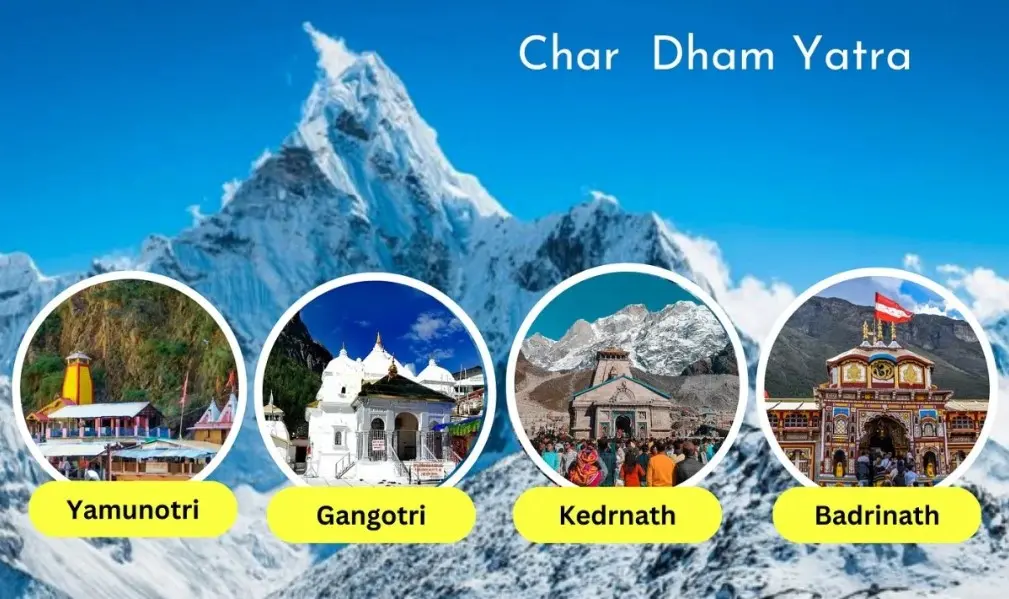
We talk about the Char Dham Yatra—Yamunotri, Gangotri, Kedarnath, and Badrinath—as a pilgrimage, a demanding climb toward salvation. And it absolutely is. But if you fix your gaze only on the peaks, you miss the thousand tiny miracles happening right under your feet.
This journey, I promise you, is a sensory feast. It’s a place where the scent of village smoke is the best welcome mat, and where every simple meal carries the profound, earthy taste of the mountains. Forget the crowds for a minute. This is about meeting the people, understanding their rhythms, and discovering the quiet corners that truly feed the soul.
Diving deep into the genuine warmth and simplicity of Uttarakhand culture.
Finding profound peace at those utterly magical, hidden places near Char Dham.
Let’s trade the checklist for a memory.
🥄 The Earthy Language of Garhwali Cuisine—Mountain Fuel at Its Finest
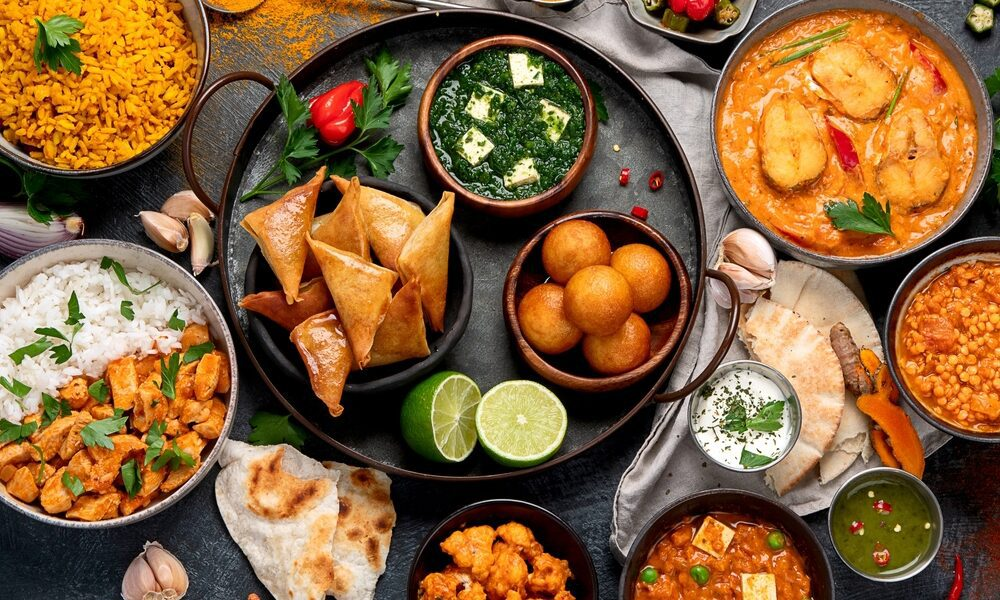
I always say: you can’t climb the Himalayas on empty promises; you climb it on incredible, honest food. Garhwal food blog readers know this cuisine is the ultimate definition of comfort. It’s not complex; it’s simply perfect for the environment—packed with slow-release energy, protein, and warmth.
When your legs are aching and the altitude is doing its thing, look for a small, unassuming dhaba—you’ll find them everywhere, from Guptkashi to the little market outside Badrinath. Sit by the wood stove and ask for these:
Kafuli
Oh, this stuff is liquid gold. It’s not just spinach; it’s spinach and fenugreek leaves slow-cooked in an iron kadhai until it’s thick, dark green, and almost creamy. It’s savory, deeply umami, and when you eat it with rice, it feels like an internal heating pad against the mountain chill.
Aloo Ke Gutke
This is what I order instantly. It’s just simple, boiled potatoes, chopped up and sautéed quickly with turmeric, a sprinkle of coriander, and that glorious, popping temper of jakhiya seeds. They’re spicy, firm, and you literally can’t stop eating them. A perfect little side snack for a tough day.
Gahat Ki Dal / Gahat Ke Paranthe
Gahat (horse gram) is a survival crop here—incredibly nutritious and warming. The dal is usually a thin, comforting soup. But if they’re making the paranthe—a crispy, stuffed flatbread—grab one immediately. The filling is a spiced, savory paste of the ground gram.
Mandua Ki Roti
This dark, slightly coarse flatbread made from finger millet is the real, authentic staple. It’s heavy, chewy, and gives you the stamina of a mountain goat. Douse it in fresh ghee and pair it with anything—it’s just right.
Bhaang Ki Chutney
Don’t let the name freak you out! It’s purely for flavor. Toasted hemp seeds ground down with fresh coriander, green chilies, and salt. It’s nutty, tangy, and has this bright, fresh aroma that cuts through the heavier meals. It’s addictive.
My Personal Take
The best part? This food is guilt-free. Every ingredient, from the millets to the pulses, is grown on those terraced slopes. You are literally eating the land, and it’s the best energy source you can ask for.
🏡 The Quiet Dignity of Uttarakhand Village Life—Beyond the Temples
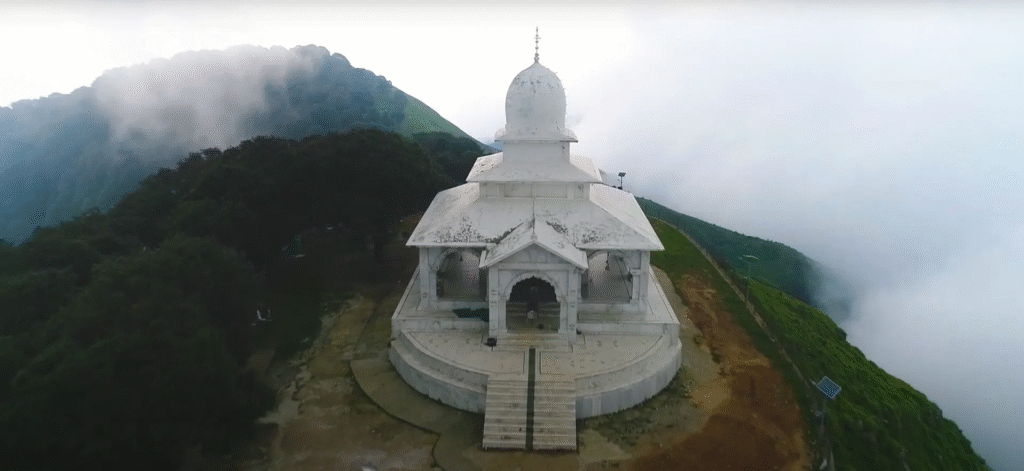
Slow down. Take a detour. Because the true, warm, enduring soul of the yatra isn’t found on the highway; it’s in the tiny villages clinging to the hillsides.
Hospitality and Hearth
The minute you meet the people here, you’ll understand. This is Pahadi hospitality at its most genuine. They don’t try to sell you anything; they just invite you in. You might be asked to share a cup of strong, sweet, milky chai by a woman in a colorful shawl (Ghaghra-Choli) or a man wearing a crisp Kurta-Dhoti. Their homes are functional masterpieces: thick stone-roofed walls, built low to withstand the winds, often featuring beautiful, dark, intricately wood-carved window frames passed down through families.
The Rhythm of the Hills
If you are very lucky, you might catch a local celebration like the Phool Dei spring festival or witness the powerful, theatrical Pandav Nritya—a deep spiritual reenactment of the Mahabharata.
Storyteller’s Delight
Stop and listen, especially to the Dadi (grandmother) figures. They aren’t interested in Wikipedia facts; they want to share the legends. You’ll hear detailed stories about where the Pandavas rested, which local deity protects that particular tree, and the real, human-scale myths that make the Himalayas feel truly alive. These whispered tales are the heart of the culture.
🏞️The Silent Stories of Hidden Temples & Offbeat Places
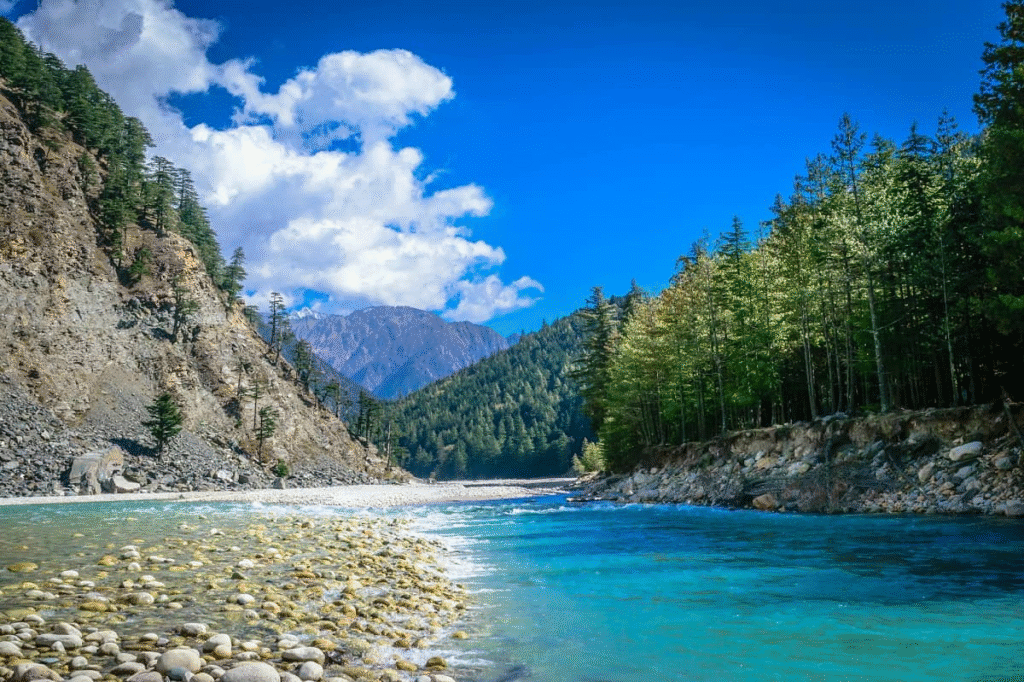
The main temples are incredible, but sometimes, the deepest connections happen in the quiet. When the crowds get too much, seek out these peaceful, tucked-away gems that offer profound spiritual experiences—my ultimate Char Dham travel tips.
Near Yamunotri: The Start of the Flow
Shani Dev Temple, Kharsali
Go see this stunning structure. It’s the winter seat of the Yamunotri idol, and its architecture is unlike the main shrines—a gorgeous, multi-tiered Pagoda style. It’s quiet and full of a peaceful, ancient energy.
Janki Chatti Hot Springs
After the trek up to Yamunotri, this is your immediate reward. Dipping your swollen, aching feet into the naturally hot, healing waters is absolute bliss.
Near Gangotri: Valley of the Gods
Dharali & Harsil Valley
Take a moment to breathe here. Harsil is famous for its natural beauty—lush forests, crisp air, and apple orchards. Dharali has an ancient Shiva shrine, and the whole valley just screams tranquility.
Pandav Gufa
A short walk from the main temple. Stepping into this small cave where the Pandavas supposedly meditated gives you an intense sense of stillness.
Near Kedarnath: Beyond the Main Shrine
Triyuginarayan Temple
Please, please visit here. It’s easily accessible near Sonprayag. Mythology says this is where Lord Shiva and Goddess Parvati were married. They maintain an eternal flame (Akhand Dhuni) that is said to have been burning since the ceremony. It’s romantic, historical, and deeply sacred.
Bhairav Temple
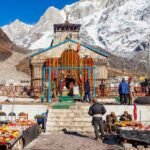
Walk up the little hill behind the Kedarnath shrine. This is the temple of Bhairav, the protector. The view from here is spectacular—you get an unobstructed, commanding panoramic view of the massive temple complex and the valley below.
If you just want to foucs on yatra you can also talk with any tour and travel company like The Mountain Trekker who will take care of everything from stay to food and everything.
Near Badrinath: At the Edge of India
Mana Village
You have to stand in Mana Village, often called “India’s last village.” It’s a beautiful, atmospheric settlement right near the border. It’s home to the Vyas Gufa and Ganesh Gufa, the very caves where the Mahabharata was dictated. It feels like stepping into a historical canvas.
Charan Paduka
Take the climb. This rocky outcrop is said to have the footprint of Lord Vishnu. The reason I love it? It offers the most incredible, jaw-dropping, close-up viewpoint of the majestic Neelkanth Peak. The silence up there is absolute perfection.
💖 Conclusion
Go slow, explore the fringes, and you will come back with a soul not just blessed, but genuinely transformed by the heart of the Himalayas.
If you loved reading about Char Dham Yatra Blog, you might also like Hidden Temples Near Kedarnath.



Leave a Reply