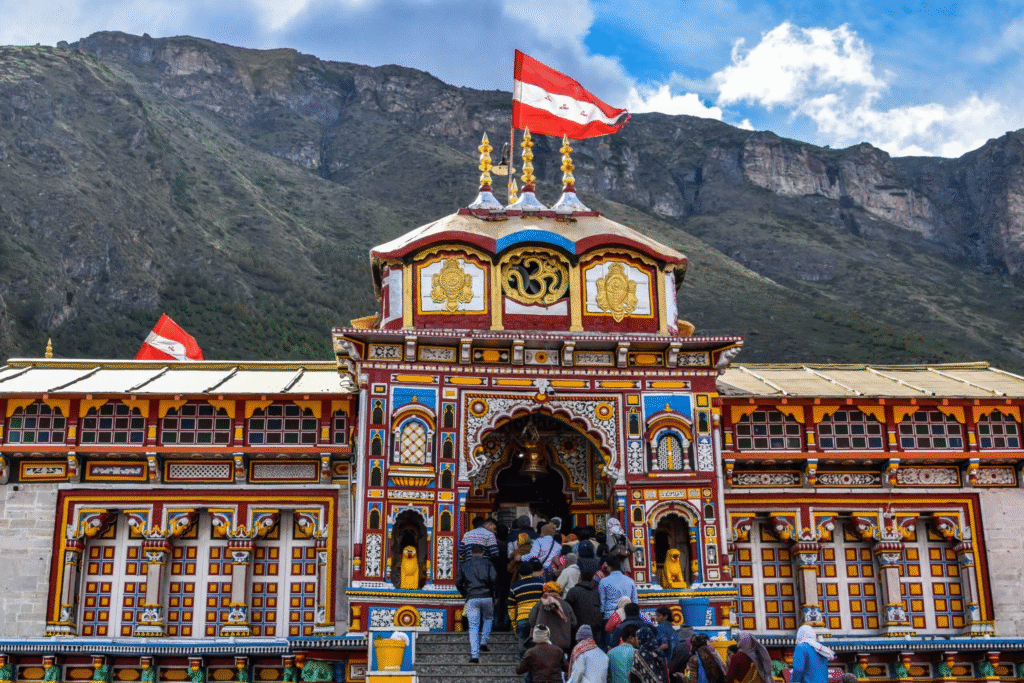
I remember staring at the map of Uttarakhand, feeling that rush of pure spiritual excitement mixed with the cold dread of logistics. You’re not just going on a vacation; you’re heading into the Himalayas—a place of unparalleled beauty and immense, humbling power. But let’s be honest: these mighty peaks are also moody. The weather can swing from perfect sunshine to icy hail in a matter of minutes so here is your Grounded Guide to Chardham Yatra Safety Tips
That’s why, before we talk about temple rituals, we need to talk about survival. When you’re planning a journey this intense, your focus on logistics needs to pivot to genuine, practical Chardham Yatra Safety Tips. Think of this as advice from an older sibling or a well-traveled friend—caring, grounded, and genuinely wanting you to have a journey that’s spiritual, peaceful, and above all, safe.
Battling the Thin Air: How I Learned to Beat Altitude Sickness
Altitude Sickness (AMS) is the most common reason people have to stop. It hits hard, especially near Kedarnath and Badrinath. It’s not a sign you’re unfit; it’s just physics, but you must respect it.
My Personal Strategy for a Slow, Safe Ascent
The moment I felt that dull, throbbing headache, or a weird wave of nausea, I learned to stop. Full stop. Don’t push it for another kilometer.
Hydrate Like Crazy: This is your secret weapon. Skip the sugary drinks and the morning coffee (as much as you can). Keep sipping water, nimbu pani, or clear soup constantly. Your body needs that fluid to circulate oxygen efficiently.
The Golden Rule: Acclimatize! Never rush from a low-altitude city straight up to a high point like Kedarnath in one go. You need “step-stool” towns. Build in a full rest day at a mid-altitude spot like Guptkashi or Rudraprayag. That slow, intentional climb is the most crucial of all Chardham Yatra Safety Tips.
Talk to Your Doc: If you get altitude sick easily, chat with your GP about carrying Diamox. Please, never self-medicate for altitude; get the right advice first.
Oxygen Cans are Backup: Keep a small portable oxygen canister handy. I used mine for a quick few puffs when the temple queue was moving slowly and I felt a bit wobbly. It’s a temporary boost while you wait for fresh air.
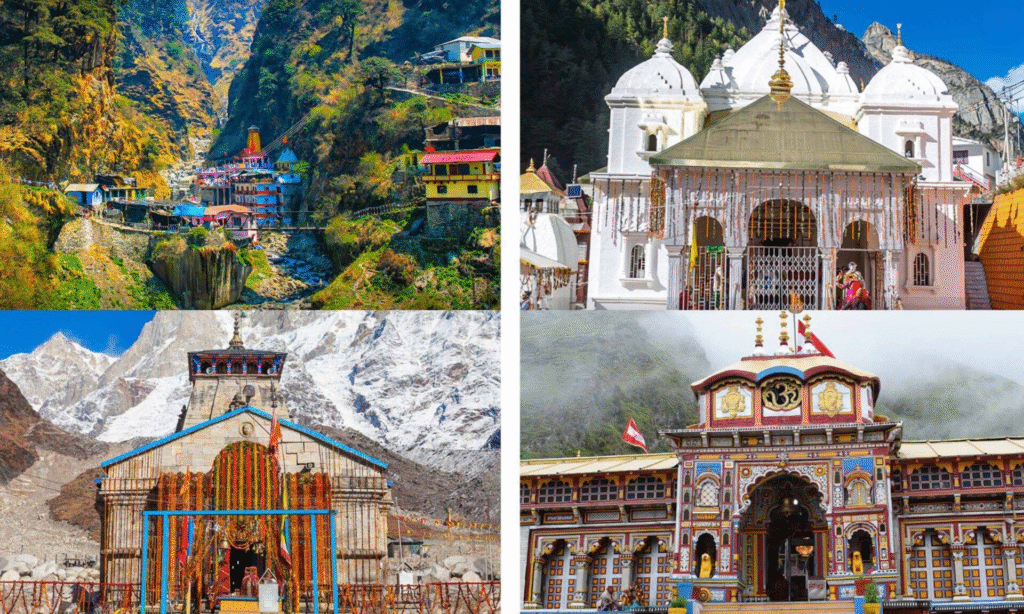
Real-World Tips for Trekking in Savage Weather
I’ve been caught in a flash snowstorm in May. It happens. Being ready for a sudden change in temperature is key to any reliable Chardham Yatra Safety Tips guide.
Master the Layers
Throw away the single, giant puffer coat idea. Think three flexible layers: a thermal base (like a second skin), a warm fleece or mid-layer, and a waterproof/windproof outer shell. You can add or shed clothes instantly to stay perfectly comfortable.
Check the Right Forecast: Don’t trust the national weather app. Before bed, check the hyper-local forecast for the exact town you’re waking up in (e.g., Sonprayag or Badrinath).
Caught in a Storm?: If the heavens open or a snow squall hits while you’re trekking, don’t panic and don’t run. The path becomes dangerously slippery. Find the nearest structure—a local chai stall, a big rock overhang—and just wait it out. Safety is worth the delay.
Authority is King: If the police or the rescue teams close a road or stop trekking, listen to them immediately. They have seen the risks. Your schedule isn’t more important than your life.
If you just want to foucs on yatra you can also talk with any tour and travel company like The Mountain Trekker who will take care of everything from stay to food and everything.
If Things Go Sideways: Injured on the Kedarnath Trek
The Kedarnath path is tough. Minor slips, twisted ankles, or severe exhaustion are just things that happen. Plan for it.
Kit Contents
Your first aid kit needs to be accessible. Think quality pain relievers, antiseptic spray, big bandages, and elastic wraps for your knees/ankles.
The No-Push Rule: If you feel sharp pain, stop immediately. Don’t try to “walk it off” to reach the goal. You’ll just turn a sprain into a fracture.
Call for Help: Look immediately for the police post, a guide, or even a local pony operator. They are all connected. The medical camps set up along the route by NGOs are brilliant—use them.
Emergency Phone: Make sure both you and your travel partner have the local emergency helpline numbers for Uttarakhand disaster management written down on paper, just in case your phone battery dies.
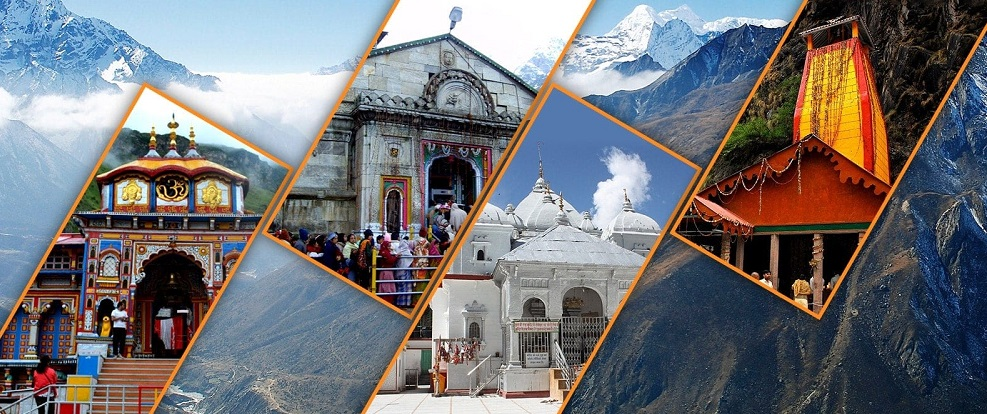
Monsoon Travel: Extra Safety Tips for Chardham Yatra
If you choose the quiet beauty of the monsoon (Mid-July to August), you need to embrace flexibility and extreme caution.
Landslides are Real
You will see them. If you see debris or mud actively falling onto a road, do not attempt to cross. Wait for the road clearance team. Trying to rush past is foolish and dangerous.
The Chill Pill: Your itinerary will change. If you hit a road closure, don’t scream at your driver. Settle into the nearest safe town for the night. That mental flexibility is your most important monsoon gear.
Respect the Water: Be extremely careful near any river crossings. After heavy rain, the water flow is terrifyingly fast. Stay well away from the banks. This specific set of Chardham Yatra Safety Tips will keep you safe from the most powerful aspect of the mountains—the water.
Gentle Care: Safety Tips for Seniors and Chronic Conditions
For our parents, grandparents, or anyone managing a chronic condition, the journey requires extra love.
Medication Strategy
Pack double the amount of all daily meds and keep the essentials in your carry-on or daypack. Always keep a written dosage schedule, just in case.
Dietary Care: Stick to hot, simple, easy-to-digest food (dal, roti, khichdi). Avoid heavy, fried meals. Diabetics, check your sugar levels constantly; the exertion and altitude play games with them.
The Best Advice: Seniors must go slow. If you feel tired, rest. Using the Pony or Palki service is a blessing, not a failure. It allows you to complete the darshan safely. Reducing stress is one of the most vital Chardham Yatra Safety Tips for anyone managing a heart condition.
Smart Gear: My Must-Have Safety Gear
A few bits of gear that make all the difference:
Trekking Poles: Seriously, buy them. They’re a game-changer for stability, especially going down rocky slopes, and they save your knees from punishment.
Headlamp: Must-have. Power cuts happen often. You need this for navigating dark paths or finding your way to the bathroom at night.
My Last Check: The Chardham Yatra Safety Tips Final Scan
Before I started the engine, I’d check this list every morning:
- Did I take my Diamox (if prescribed)?
- Am I sipping water right now?
- Are my rain gear and wool cap accessible, not buried in my luggage?
- Do I know the name of the next major town and its altitude?
- Is my emergency contact list charged and ready?
Go Now, With Peace
You’ve done the homework. You’ve planned with intelligence and heart.
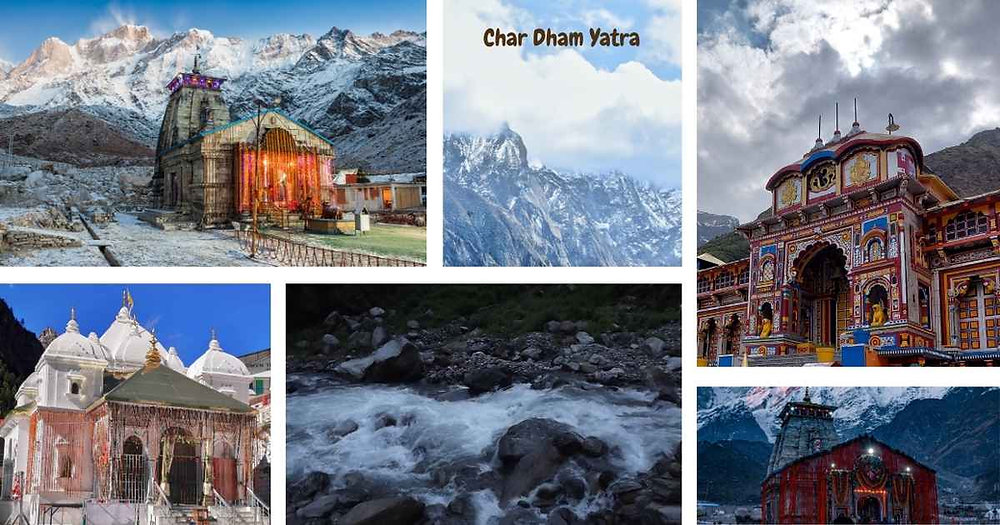
The Himalayas will test you, the crowds will occasionally annoy you, but the deep, quiet, life-affirming peace you find when you finally stand before those ancient temples—that feeling is yours forever.
By prioritizing these Chardham Yatra Safety Tips, you’ve honored the journey and protected your loved ones. Go now, with a full heart and a prepared mind.
If you loved reading about this Chardham Safety Tips blog, you might also like Char Dham Yatra Budget blog.




Leave a Reply