1.Where the Soul Finds the Ganga
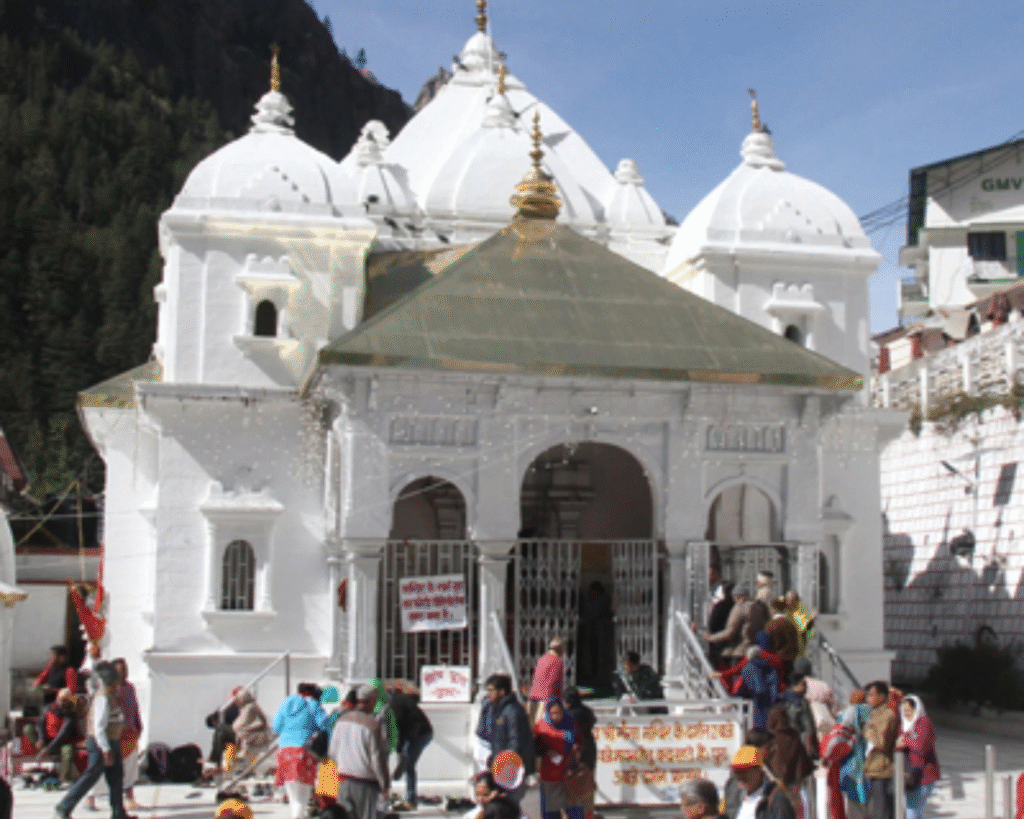
Let’s ditch the generic travel guide talk for a second. The Gangotri yatra is not just a journey you document; it’s a journey that defines you. Close your eyes and picture this: You’re finally standing at the very source—the zero point—of the holiest river in India, the Ganga. You’re completely enveloped by peaks so massive and ancient they feel like they’re watching over you, and the air is so clean and sharp it feels like a total reset for your entire system.
This isn’t your average vacation. It’s an act of deep devotion, a genuine physical challenge, and a pilgrimage that digs deep into your emotional core. For millions of people, making it to Gangotri Dham, one of the four legendary Char Dhams, is the single most meaningful and purifying thing they’ll ever do. It’s where your raw, human heart gets to meet the divine in its wildest form, way up where the clouds drift below you. Are you finally ready to answer that deep, primal call from the Himalayas?
2. Why We’re All Drawn to the Gangotri Yatra
The headline reason, of course, is the profound spiritual weight. Gangotri is the epicentre—the spot where the Goddess Ganga descended, her force cushioned in the locks of Lord Shiva. When you stand on the riverbank, next to the thundering Bhagirathi (which is what the Ganga is called here), you feel this incredibly powerful, ancient energy. It truly hums.
But let’s be real about the human draw. We choose the Gangotri yatra because the Himalayas have a magical way of humbling you. That tiny frustration from work, that argument you had last week—it all evaporates when you’re looking up at peaks that have stood for millions of years. Every pilgrim has a story about that moment of intense clarity, or the sudden, overwhelming feeling of peace.
3. 💰 Let’s Get Real About Money: Your Human Budget Breakdown
This is the great part: you absolutely don’t need to empty your savings account to do this trip. With some savvy planning, this amazing journey is within reach. Here’s a detailed, honest-to-goodness budget guide for a practical 3-day round trip starting from Rishikesh or Haridwar:
Category | Budget Traveller (Daily) | Mid-Range | Comfort (Daily) | The Human Reality
Transportation (Total) | ₹4,000 – ₹5,500 | ₹8,000 – ₹12,000 | Budget: You’re taking the reliable-but-slow Govt. bus or shared jeep. ! Mid-Range: Your own private cab. Faster, comfier, better for spontaneous photo stops.
Stay Options | ₹300 – ₹800 | ₹1,200 – ₹2,500 | Budget: Basic, clean Dharamshalas or GMVN dorms. Think of it as pure efficiency. Mid-Range: A cosy hotel or private GMVN room, maybe with a heater—worth the splurge!
Food Expenses | ₹500 – ₹800 | ₹1,000 – ₹1,500 | Hearty, simple food: hot dal-roti, fluffy aloo parathas, and the mandatory, endlessly comforting cups of milky, sweet mountain chai.
Temple & Misc. | ₹200 – ₹500 | ₹500 – ₹1,000 | Small donations, the cost of buying prasad (offerings), or picking up a little local souvenir.
Daily Total (Excl. Transport) | ₹1,000 – ₹2,100 | ₹2,700 – ₹5,000 | This is your actual daily expenditure on the ground. Keep track!
Seasonal Price Jumps: If you travel during the absolute peak rush (May/June or Sept/Oct), brace yourself. Accommodation and private transport prices can skyrocket by up to 50%. Being flexible with timing makes the Gangotri yatra vastly more affordable.
Road Reality: Patience is your best travel tool. Bus travel means longer hours and more chance of delays, but it’s part of the adventure!
4. ☀️ When to Go: Chasing the Perfect Vibe
The temple opens its doors when the snow retreats (late April/early May) and closes up shop around Diwali (Oct/Nov).
Peak Season (Mid-May to June): Great weather, sunny days, but the crowds are absolutely packed, and prices are at their highest. If you love a buzzing atmosphere, this is it.
Monsoon (July to August): Seriously, skip this. The risk of landslides makes the mountain travel terrifying and wildly unpredictable. It completely ruins the peace you’re looking for.
The Magic Window (September to Mid-October): This is the hands-down winner. The monsoon has gone, leaving the mountains impossibly green. The air is cold, crisp, and smells like deodar. The crowds are manageable, and the roads are usually safer. You get to feel the sheer, silent power of the temple town. Choosing this time ensures the challenge of the Gangotri yatra is purely spiritual, not logistical.
5. 🗺️ Your Human-Paced 3-Day Itinerary
Day 1: The Winding Road to Uttarkashi
The Start: Get up before the sun! The 6–8 hour drive to Uttarkashi (170 km) is long.
The Highlights: Watch the Ganga leave the plains and start its mountain sprint. Don’t skip a chai-and-snack stop at a roadside dhaba.
The Rest: Settle into your stay in Uttarkashi. In the evening, visit the quiet Kashi Vishwanath Temple here. It’s the perfect, gentle warm-up.
Day 2: The Core of the Gangotri Yatra
The Final Stretch: Drive the remaining 100 km to Gangotri (about 4 hours). This is the most dramatic part of the drive—gorges, cliffs, and stunning drops.
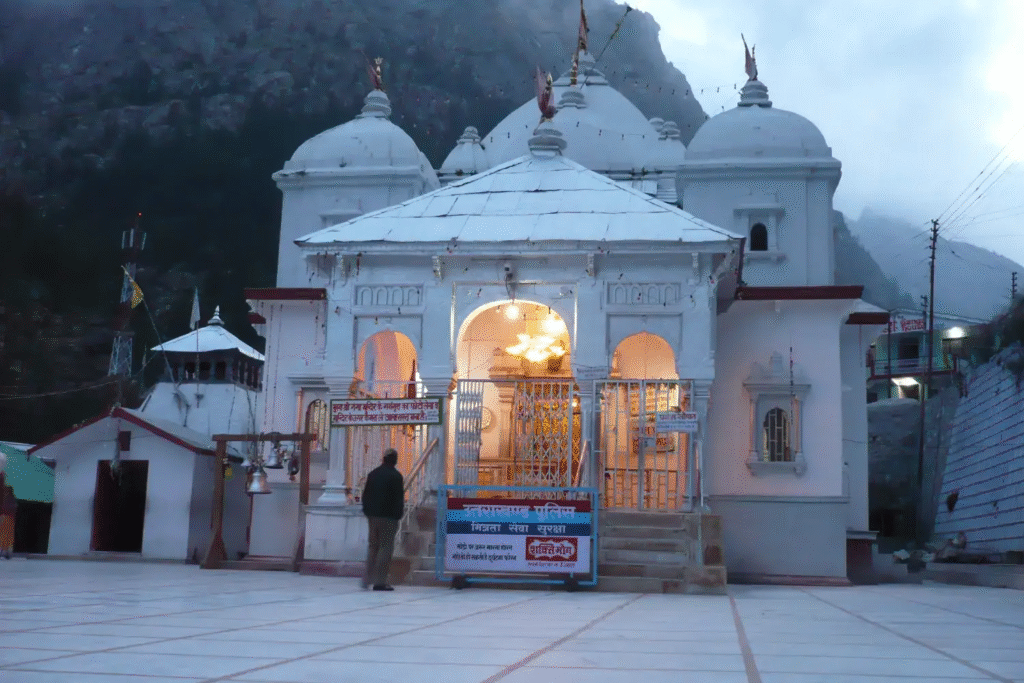
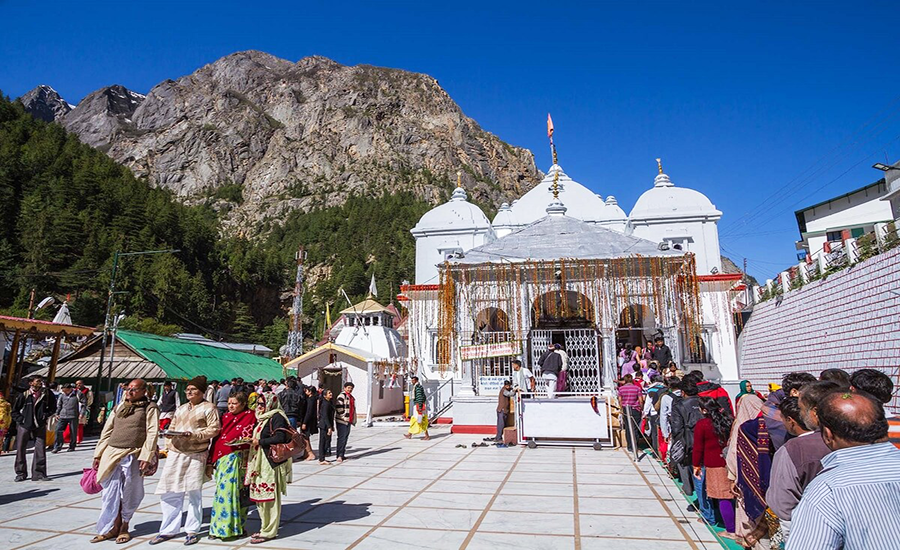
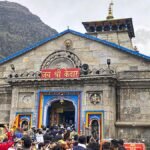
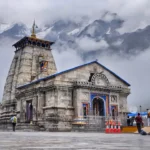
The Arrival: Arrive, drop your bags, and head straight to the temple. That first sight of the structure nestled between those huge peaks will genuinely hit you hard.
The Soul Moment: Finish your darshan, and then spend time by the water. Sit on one of the smooth rocks, let the roar of the Bhagirathi wash over you, and dip your hands in the icy, purifying stream. This is why you put in all the effort. This is the ultimate feeling of the Gangotri yatra.
Day 3: The Return
The Drive Home: Start the 270 km journey back.
The physical tiredness disappears, but you’re left with beautiful memories.
If you just want to focus only on the journey you can also contact tour and travel companies like The Mountain Trekker who will take care of everthing from food to stay and everthing.
6. ❤️ Travel Tips
These tips are here to make your journey smoother and more comfortable.
What to Pack (The Thermal Strategy): You need layers, seriously. Thermal vests, woollen socks, a cap, gloves, and a good waterproof/windproof jacket. And please, wear proper, ankle-supporting hiking shoes—not fashionable sneakers.
Health Check (Altitude): Gangotri is high (3,100 meters). The stop in Uttarkashi helps you adjust, but keep sipping water and walk slowly. If you feel light-headed, sit down. Listen to your body above all else.
Most importantly, keep the area clean.
The unexpected conversations and small acts of help from locals and fellow travellers are the true blessings of the Gangotri yatra.
Conclusion
The Gangotri yatra isn’t just a physical trip; it’s a testament to your own spirit and devotion. Go on, embrace the winding road, allow the mountains to teach you humility, and may your journey be filled with absolute, profound peace.
If you loved reading about Gangotri Yatra blog you might also like Chardham Yatra Budget blog.



Leave a Reply