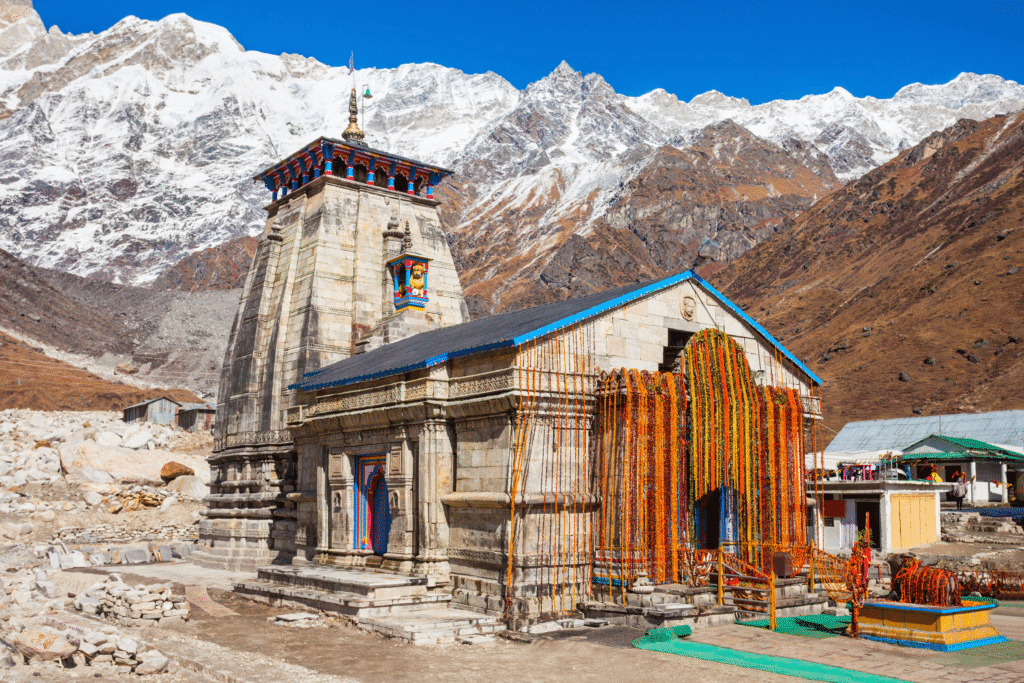
The Call of the Mountains: My First Step Toward the Kedarnath Yatra
You know how some desires just whisper? Then there are the ones that absolutely roar. For years, the Kedarnath Temple—tucked away at a mind-blowing 11,755 feet in the heart of the Himalayas—was just this beautiful, distant dream. But recently, it stopped being a dream and became a roaring, urgent necessity. It wasn’t just a holiday; Kedarnath Yatra was a pilgrimage my soul felt summoned to undertake. I needed a serious pause, a total reset, and a confrontation with the purest, wildest part of myself.
The instant my bus from Rishikesh began its climb up those impossibly winding roads, I felt it: a profound sense of letting go. The air turned sharp, the light got intensely clear, and the colossal, silent presence of the mountains started swallowing my view. This was the opening chapter of my Kedarnath Yatra, and honestly, the heavy baggage I’d carried from the city felt instantly lighter. It was replaced by this overwhelming awe. I knew, deep down, this trek was going to rearrange me.
The Spiritual Weight Behind the Journey
Why do millions of us leave our comfortable homes to brave the freezing cold, the thin air, and the aching climb? Why do we do it? Because we are all, inherently, seekers.
Sure, people talk about the ancient history of Kedarnath—the Pandavas, the Shiva legends—and yes, that history feels sacred. But for me, the pull was more immediate. It’s the raw feeling that the mountains are living things, silent witnesses to millennia of devotion and struggle. The sheer physical grind of the trek—the steep inclines, the burning muscles—becomes a spiritual release. Honestly, every single step feels like an apology, a prayer, or just a deep exhale of something you needed to let go of.
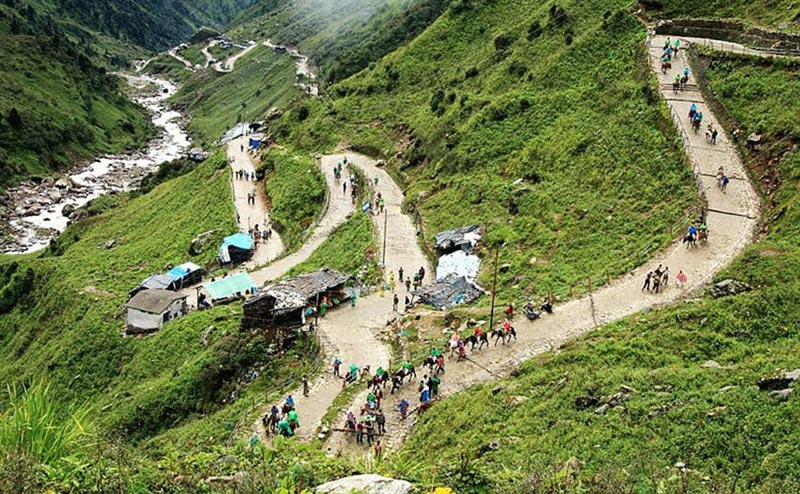
By the time you reach Gaurikund and start that final 16-kilometre ascent, you realize the Kedarnath Yatra isn’t just about reaching a temple. It’s about facing and conquering all the doubts and limitations you brought up the hill with you. It’s about being truly humbled by nature and feeling the presence of something utterly timeless and boundless. You see elderly women being helped up, and you think, “If they can do this, I have no excuse.”
💰 Budget Breakdown Kedarnath Yatra
When you’re planning a trip like this, you need to know the actual money involved, not just some brochure number. I tackled this as a solo traveler, keeping things safe but simple.
The biggest chunk goes to getting there. Traveling from the plains (like Haridwar) up to Gaurikund cost me about ₹3,000 to ₹4,500 for the round trip in a shared jeep—which is faster, thank goodness, than the local bus. And hey, once the Kedarnath Yatra trail starts, remember that bottles of water are a commodity and cost more as you climb!
For Stay, I was a minimalist. My first night near the base camp was in a basic hotel for maybe ₹800. Up in Kedarnath town itself, it’s all super-functional dharmashalas. I snagged a small, shared-style room for about ₹700. I was freezing, but who cares? You’re there to pray, not to lounge. Plan on spending roughly ₹1,500 to ₹3,500 for your three nights of basic shelter.
Food is simple, life-giving, and mostly cheap: parathas, maggi, rice, dal, and, seriously, endless cups of hot, sweet tea. I probably averaged ₹400-₹600 a day. That hot chai on the mountain felt like the most luxurious thing I’d ever had. Throw in another ₹2,000 to ₹3,000 for Misc. and Emergency stuff: a good rain poncho (essential!), basic painkillers, snacks, and the small fee to charge your phone (a rare privilege up there!).
In the end, I did the whole pilgrimage for about ₹10,000 to ₹13,000, not counting my flight into Haridwar. Best spent money, ever.
If you just want to focus only on the journey you can also contact tour and travel companies like The Mountain Trekker who will take care of everthing from food to stay and everthing.
🌦️ Best Time to Embark on the Kedarnath Yatra: When the Mountain Smiles
You can’t just show up; the mountain dictates the schedule. The temple doors are locked down for six months due to brutal snow, opening around late April/early May and closing around October/November.
The time I would absolutely recommend to my best friend:
September and Early October. This, my friends, is the magic window. The monsoons have packed up and gone, the skies are an intense, beautiful blue, and you can see the massive peaks with stunning clarity. The crowds have thinned enough that you can actually hear the quiet. The air is cold, but crisp and invigorating. This is when your Kedarnath Yatra truly feels like a solitary conversation with the divine.
A serious warning: Please, avoid July and August. The monsoon makes the trek treacherous. Landslides are a genuine threat, and you risk the entire journey being shut down.
🗺️ A Practical 3–4 Day Itinerary (The Real, Human-Paced Plan)
My plan wasn’t about racing to the top. It was about allowing the experience to happen. It was slow, full of rest, necessary for acclimatization, and designed for reflection.
Day 1: The Ascent to Base Camp
Morning: The long, beautiful drive from Haridwar/Rishikesh up to Sitapur/Sonprayag (8-10 hours).
Evening: Settle in, eat light, and get to bed early.
Day 2: Trek to Kedarnath
Morning: Your should start your trek from Gaurikund at around 5 AM that’s the idea time.
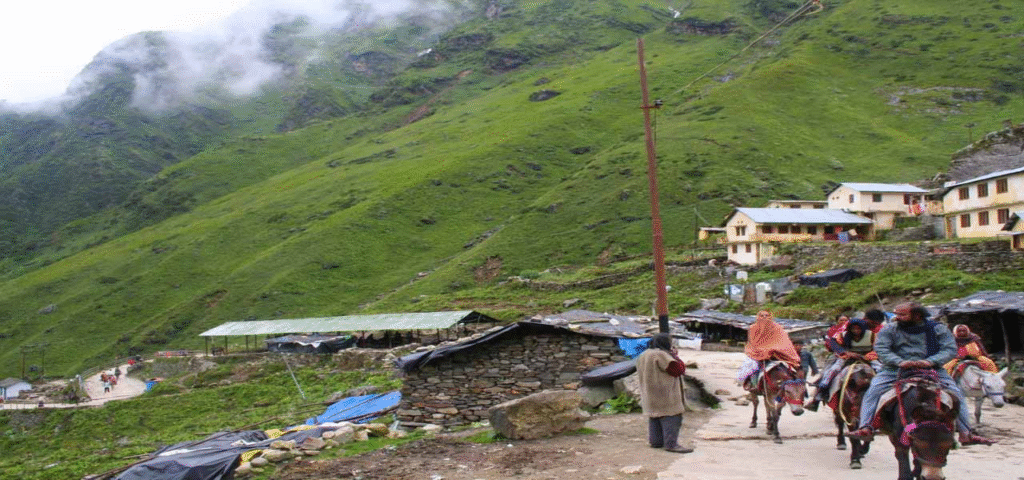
Day: Walk your pace. Stop for tea whenever you feel like it. The air gets thin fast after Ramabada. That’s when your legs start screaming, but your spirit starts soaring. Remember your ‘why.’
Evening: Arrive in Kedarnath town. The exhaustion is profound, but seeing the temple light up in the dusk? That sight alone makes you forget your 22km hard trek.
Day 3: Darshan
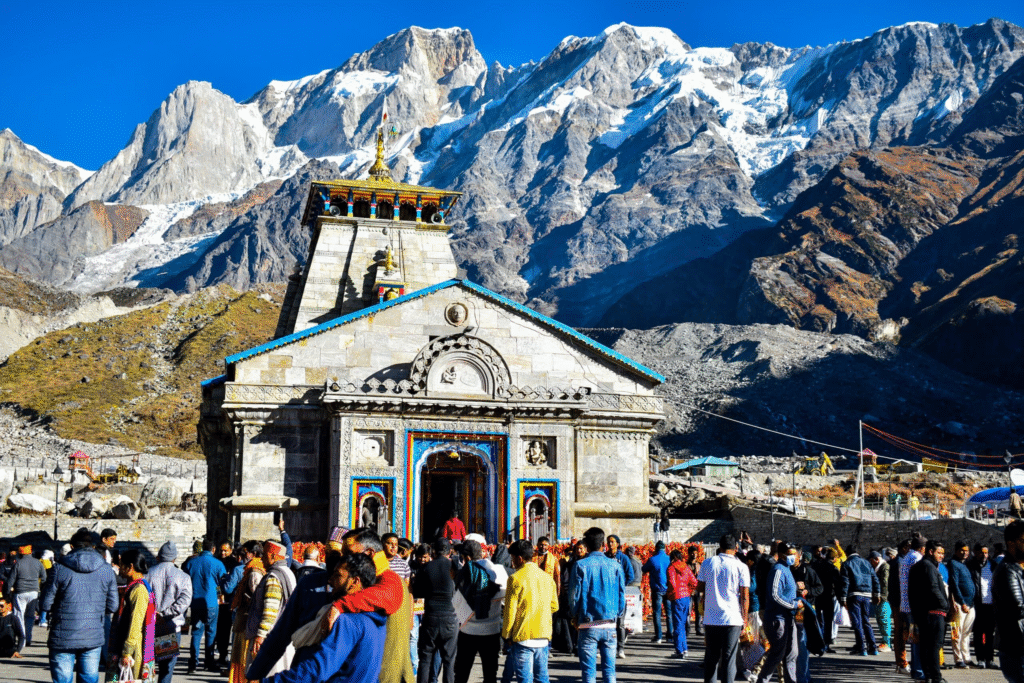
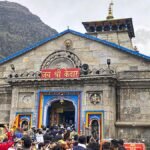
Morning: Wake up early for darshan. The aarti is truly overwhelming—the emotional climax of the whole Kedarnath Yatra. Then, just sit outside. Let the cold and the silence wash over you.
Late Morning: Start the 16km descent. It’s easier on your lungs, but it absolutely destroys your knees. Take it easy.
Evening: Reach the base camp area. I felt a deep, quiet mix of exhaustion and joy.
Day 4: Return Journey
Morning: The long drive back down to Haridwar/Rishikesh. I spent the ride just silently reviewing all the moments, smells, and sounds that changed me.
❤️ Travel Tips and Lessons the Mountain Taught Me
Look, I learned this the hard way, so you don’t have to:
You must start early. 5:30 AM from Gaurikund. Seriously. It keeps you ahead of the crowd and avoids the brutal midday sun.
Pack in layers, not bulk. The weather changes every hour. You need thermals, a fleece, and a genuinely good, windproof/waterproof jacket. Ditch the cheap umbrella; get a proper poncho.
Don’t ignore your body. If you feel unwell, stop. The mountain doesn’t care about your itinerary. If your doctor clears it, have altitude sickness meds (like Diamox) on hand. Also, painkillers for your screaming knees.
Cash is survival. ATMs are mythical on the trail, and signal is nonexistent. Keep cash handy for food and emergencies.
It’s not a race; it’s a prayer. The most important lesson of the Kedarnath Yatra is patience. Don’t rush. Walk slowly. Look up. Breathe.
The Moment That Stays Forever
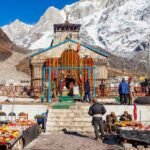
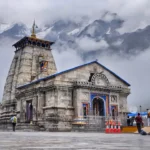
I was standing outside the Kedarnath temple at 4:30 AM, waiting for the doors to open. It was a brutal, ink-black night, but I couldn’t feel the cold through the adrenaline. I looked up. The sky was dusted with a million blinding stars—more than I’d ever seen—and above them, the silent, massive, snow-clad peaks of the Kedarnath massif were just beginning to gleam under the moonlight.
In that profound silence, I felt it: a deep, powerful connection. I wasn’t just me anymore; I was a tiny, breathing part of this massive, eternal universe. That single moment of perfect, unadulterated awe is why the Kedarnath Yatra isn’t a trip you take—it’s the touchstone that defines your spiritual life.
The mountain called my name, and I finally answered. I hope you find the courage to answer it too.
If you loved reading about Kedarnath Yatra blog you might also like Chardham Yatra Budget blog where i explained in detail cost of doing chardham yatra.



Leave a Reply