1. The Journey
This isn’t just about visiting four temples.
I promise you: You don’t choose the Char Dham Yatra—it absolutely chooses you.
2. Understanding the Essence of Char Dham – What It Really Means ✨
The term just means “Four Abodes of God.” Simple, right?
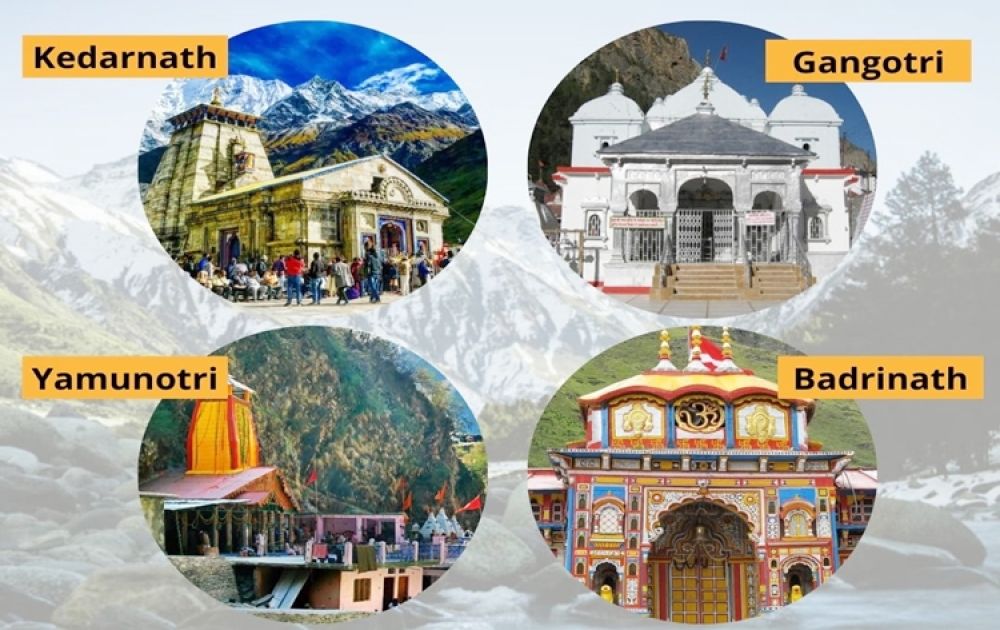
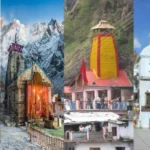
- Yamunotri: Where your journey starts, symbolizing pure, cleansing Devotion (Water).
- Gangotri: The heart of purity, the source of the Spirit that washes away everything heavy.
- Kedarnath: The seat of raw power, where you build Strength (Soul) against the elements.
- Badrinath: The final, quiet sanctuary, the home of Wisdom (Mind) and ultimate peace.
To finish this whole, punishing, magnificent circuit? It’s believed you achieve moksha. You’re not just walking across Uttarakhand; you’re walking toward your own liberation.
3. Mythology – The Legends That Still Breathe in the Mountains 🕉️
Yamunotri:
I love the story of Asit Muni, the sage who was too old to reach the rivers, so the Goddess Yamuna came right to his door. It’s a story of unending grace. You feel her gentle compassion here.
Gangotri:
The air here vibrates with the penance of King Bhagirath. You stand there and hear the roar of the Ganga—it doesn’t just fill the valley; it feels like it’s filling your empty places, cleansing the mistakes you carry.
Kedarnath:
This place is pure surrender. You remember Shiva, dodging the Pandavas as a bull. When you see that primal Jyotirlinga, you realize this wasn’t an escape—it was a profound blessing, a test of will.
Badrinath:
The story of Lakshmi sheltering Vishnu as the Badri tree makes this place feel so safe and comforting. It’s quiet, colorful, and feels like coming home after a terrible storm.
4. The Route – How the Spiritual Climb Unfolds 🧭
The journey follows a perfect, ascending sequence:
👉 Yamunotri → Gangotri → Kedarnath → Badrinath.
You start down low, by the riverbanks, and spiritually climb higher and higher until you reach the ancient, high-altitude shrines.
Where to Start:
Begin from Haridwar or Rishikesh — the last touch of easy civilization before you commit to the hills.
The Vibe:
Get ready for long, slow, winding drives. But honestly? Every twist of the road feels like an ancient mantra written in stone. It forces you to slow down, look out the window, and breathe.
5. Dham-Wise Deep Dive: What It Really Feels Like
🕊️ Yamunotri – The Beginning of Devotion
You get to Janki Chatti, and then the 6 km trek starts. It’s a workout, but the moment you arrive, the energy is serene.
The little temple, the Surya Kund hot spring—it’s all very humble. Watch the locals: they wrap rice in muslin, cook it right in the hot spring, and offer it to the Goddess.
That humble, fragrant offering is devotion made tangible.
🌊 Gangotri – The Source of Purity
You drive along the Bhagirathi River, and the closer you get, the wilder the water becomes.
The temple itself is beautiful, but the feeling of being here—where Ganga literally dropped from heaven—is overwhelming.
If your legs are up for it, trek to Gaumukh Glacier. Seeing that raw, icy source of water will be something you carry inside you forever.
🔱 Kedarnath – The Power of Shiva
The 16 km trek from Gaurikund is the defining experience of the Yatra.
Your feet will ache, but you will find strength you didn’t know you had.
The air is thinner, colder, and utterly sacred.
When you finally crest that last rise and see the massive, stone temple nestled against those giant, snow-capped mountains… you don’t reach Kedarnath—you simply surrender to it.
Take an hour and climb up to Bhairavnath Temple—the view back over the Kedarnath valley is a reward for the soul.
🌺 Badrinath – The Abode of Vishnu
After the rugged intensity of Kedarnath, Badrinath feels like a warm embrace.
The temple is brightly colored, sitting right by the rushing Alaknanda River.
Dip in the warm Tapt Kund before entering—it’s incredibly therapeutic.
Wander up to Mana Village, India’s last inhabited village, and see the simple lives lived on the edge of the world.
Stay for the evening aarti—the echo of bells off the mountains is pure, unadulterated peace.
6. Best Time to Visit 📅
The temples have a short season—open around May and close by October/November when the passes get snowed in.
Best Windows:
🌸 Late May–Early June
🍁 September–Early October
You’ll get clear skies, crisp Himalayan views, and stable roads.
Avoid: July–August (Monsoon). Landslides aren’t delays—they’re dangers.
Truthfully though, the best season isn’t about weather—it’s about when your heart feels ready.
7. How to Reach – Practical Travel Tips ✈️
Air:
Jolly Grant (Dehradun)
Train:
Haridwar, Rishikesh, Dehradun.
Road:
You’ll mostly be on NH 58 and NH 109.
Hire a shared taxi or private cab.
💡 Pro Tip:
If time allows, spend a day in Rishikesh or Devprayag first.
Let the Ganga prepare you for what lies ahead.
8. Preparation & Registration – The Must-Dos ✅
Mandatory Char Dham Yatra Registration is required—do it online before leaving home.
Carry copies of your ID and a simple medical note.
Packing Mantra:
Travel light—physically and emotionally.
✅ Layers & thermals
✅ Rain jacket
✅ First-aid kit
✅ Power bank
✅ Reusable water bottle
Heavy bags and heavy thoughts both slow you down in the mountains.
If you don’t want to worry about anything and just want to enjoy the journey you can also contact any tour and travel company like The Mountain Trekker who will take care of everthing from food to stay etc,.
9. Staying, Eating & Recharging 🍲🏨
Stay:
Choose GMVN lodges (government-run) or cozy dharamshalas. Basic but clean and warm.
Food:
Meals are pure vegetarian—simple, wholesome, cooked with love.
Think dal, roti, chawal, and chai.
Carry cash; smaller stops might not support digital payments.
10. Practical Mountain Wisdom 🙏
- Start early each morning—avoid crowds and get daylight buffers against landslides.
- Hydrate constantly. Altitude dehydrates you faster than you realize.
- Dress modestly, stay quiet, leave no waste.
- No Rush. The Himalayas move in divine time—so should you.
The slower you go, the more you’ll see.
11. Beyond the Pilgrimage – Hidden Blessings 🏞️
The Himalayas reward the curious.
- Devprayag: Where Alaknanda meets Bhagirathi—the birth of the Ganga.
- Rudraprayag, Karnaprayag, Vishnuprayag, Nandprayag: Each confluence has its own sacred vibration.
These Prayags aren’t just stopovers; they are living symbols of spiritual union.
12. Conclusion – The Journey That Never Truly Ends 💖
You might have left some weight—old worries, expectations—on those high passes.
But the Char Dham Yatra doesn’t end when you get home.
It stays with you—in your calm breath, in your quiet strength, and in your renewed sense of peace.
You don’t just visit the Char Dham.
You become part of it.
If you loved reading about this Char Dham Guide you might also like Badrinath Guide.



Leave a Reply