
There are trips you take to see the world, and then there are journeys that change the world within you. The Char Dham Yatra isn’t a vacation; it’s a spiritual boot camp. It’s an epic, grueling, stunning pilgrimage carved into the mountains of Uttarakhand, a quest for liberation (moksha) that asks everything of you and gives back a thousandfold.
I remember staring at the map: Yamunotri, Gangotri, Kedarnath, and Badrinath. Four dots, strung like pearls across the terrifyingly beautiful Himalayas. For years, I told myself I was too busy, too unfit, too comfortable. But the mountains have a way of whispering your name until you finally drop everything and go.
If you’re feeling that same restless pull—that deep yearning for something ancient and real—this is the guide I wish I’d had. It’s not just a list of directions; it’s a conversation about the cold, the fear, the laughter, and the overwhelming feeling of being utterly and beautifully humbled.
The Why: More Than Just Four Temples
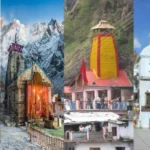
We all know the story: the four dhams are the holiest Uttarakhand pilgrimage circuit. The great sage Adi Shankaracharya set up this route centuries ago, essentially drawing a spiritual map to unite the diverse soul of India.
But let’s be real—why do millions brave treacherous roads and thin air every year? It’s not just to check a box. We go because life, with its compromises and heartbreaks, leaves a residue. The Char Dham is where you get to scrub that off.
They say completing the yatra washes away all your sins and guarantees salvation. I think the truth is simpler: the effort is the absolution. Every aching muscle, every breath gasped in the thin air, every time you stop to help a fellow pilgrim—that’s the true offering. The mountain demands your ego, and in exchange, it gives you peace.
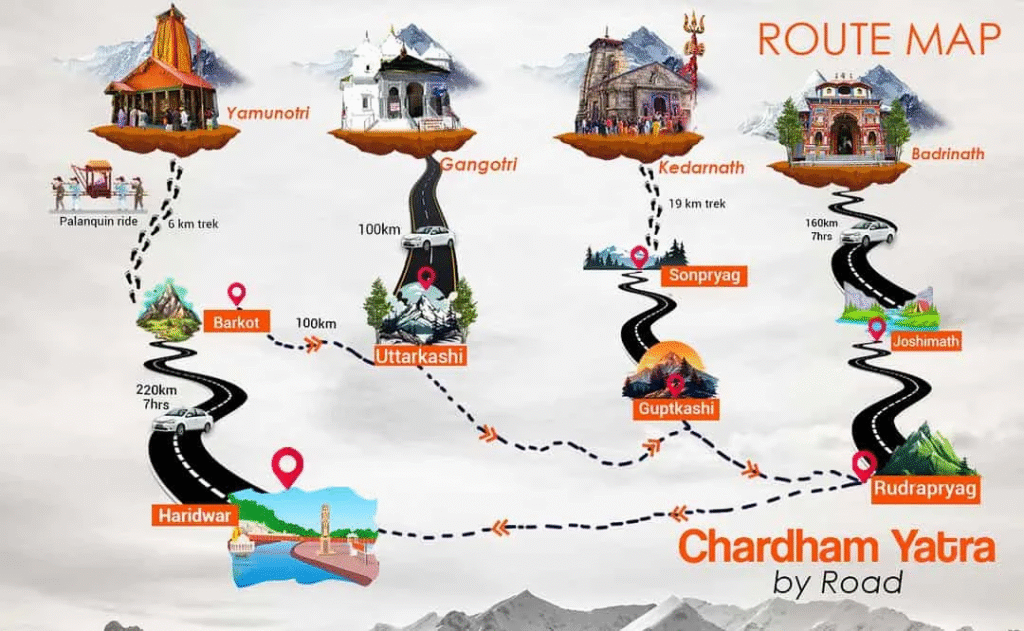
My Four Divine Encounters
The circuit is traditionally done west to east, moving from the river goddesses to the ultimate deities of Shiva and Vishnu.
a. Yamunotri: The Gentle Introduction
My journey kicked off at Yamunotri, the source of the Goddess Yamuna. It’s the easiest trek, which is probably why it comes first—a merciful introduction to the Himalayas’ demands.
The hike from Janki Chatti is about 6 km, but what a six kilometers! You walk through thick forest, with the roaring river—less a gentle stream, more a temperamental teenager—as your soundtrack. I remember stopping, gasping for air, then looking up and laughing at the sheer, ridiculous beauty of it all.
b. Gangotri: The Fury and The Grace
Next, Gangotri, the celestial birthplace of Maa Ganga. My favorite part of the mythology here is the story of King Bhagirath’s penance. He was basically praying for the river to come down for centuries. When she finally descended, she was so powerful that Lord Shiva had to catch her in his hair!
c. Kedarnath: A Rendezvous with Resilience
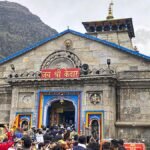
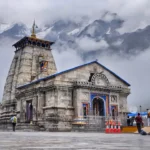
This is the one that changes you. The journey to the Kedarnath Temple is the gut-punch of the Char Dham Yatra. This is Lord Shiva’s turf, raw, primal, and unforgiving.
d. Badrinath: The Grand Finale
After the intense, wild energy of Shiva, we shift to the profound, gentle grace of Lord Vishnu at Badrinath. The valley here is magnificent, framed by the Nar and Narayan peaks, with the stunning, snow-clad Neelkanth Peak staring right down at the temple.
The first rule: you must bathe in the Tapt Kund. This is a natural thermal spring right in the freezing valley. Submerging myself felt like jumping into liquid fire! It’s a literal purification, washing away the road dust before you approach the deity.
Your Game Plan: Don’t Just Travel, Navigate
I can’t stress this enough: this is a Char Dham travel guide, but safety comes first. Plan your breaks. Listen to your body.
The Wise Sequence (Don’t Deviate!)
It’s Yamunotri → Gangotri → Kedarnath → Badrinath.
This sequence aids in proper acclimatization and follows the sacred texts.
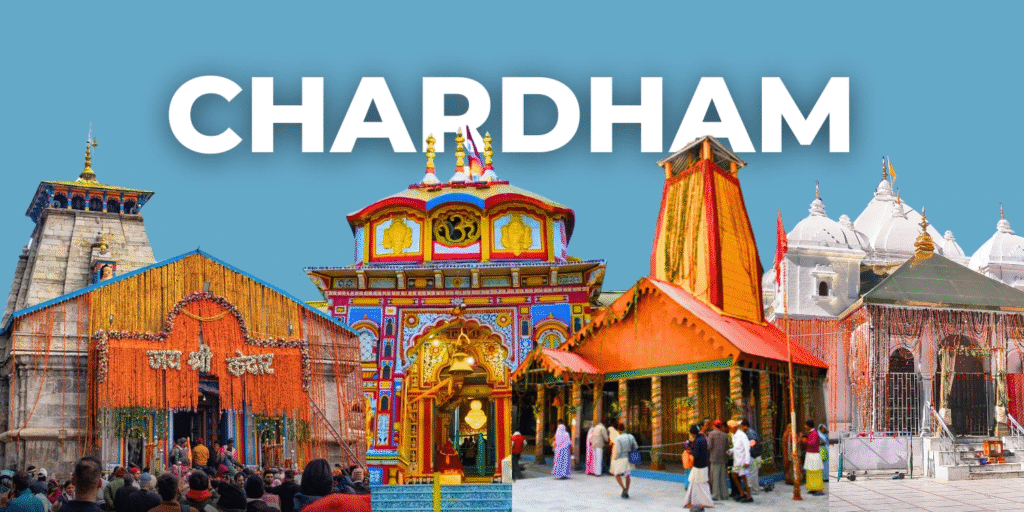
My Suggested 12-Day Pace (Ideal for the Soul)
Day From To Why I Took This Break My Top Tip
1 Haridwar/Rishikesh Barkot Get acclimatized and stock up. Buy good quality snacks and ORS here!
2 Barkot Yamunotri The first trek is a shock; take it slow. Start trekking before 7 AM.
3 Barkot Uttarkashi Need a comfy bed after Yamunotri. Great place for local food and a decent ATM.
4 Uttarkashi Gangotri Savor the drive along the Bhagirathi. Don’t rush the Aarti!
5 Gangotri Guptkashi Long driving day; you’ll be tired. Get a good night’s sleep before the Shiva intensity. 6 Guptkashi Gaurikund Closer to the base for an early start. Reserve your pony/porter early if needed.
7 Gaurikund Kedarnath The big day! Don’t look back, just keep climbing. Stay the night up top—it’s worth the cold!
8 Kedarnath Rudraprayag Trek down and drive further south for rest. Your knees will hurt; use a trekking pole.
9 Rudraprayag Joshimath A beautiful drive along the Alaknanda. Enjoy the confluence points (Prayags).
10 Joshimath Badrinath The final stretch! Tapt Kund here we come.
11 Badrinath Rudraprayag Start the slow drive back. Buy a souvenir from Mana Village.
12 Rudraprayag Rishikesh/Haridwar Home, lighter than when you left. Reflect! You just did something huge.
Time Matters: When the Doors are Open
The Himalayas are the boss. The season is dictated by snow and weather.
The Char Dham Yatra generally runs from late April/early May (the temple openings are announced on auspicious days) to October/early November (when they close for winter).
May & Early June: The weather is perfect, but the crowds are insane. If you hate queues, avoid this time. Book accommodation yesterday.
July & August: Monsoon. I wouldn’t recommend it. Roads are blocked, landslides are common, and the constant threat makes travel stressful. Don’t risk your spiritual journey India here.
September & October: This is the sweet spot. The monsoon has passed, the air is crystal clear, and the views are unbelievable. It’s cold—especially at Kedarnath—but the quiet and the clarity make up for the extra woollen layers.
Survival Kit: Essential Gear (And Mindset)
You need to pack smart and light. Every extra kilo will feel like ten on the slopes of Kedarnath.
My Non-Negotiable Checklist:
Layers, Layers, Layers: Forget fashion. Pack quality thermals (top and bottom), a fleece, and a windproof, waterproof jacket. A good woollen cap is a lifesaver.
Feet First: I can’t emphasize this enough: sturdy, waterproof trekking shoes with ankle support are mandatory. Break them in before you leave!
The Power Trio: Sunscreen (the UV is brutal at altitude), a good pair of sunglasses, and lip balm (your lips will crack).
The Tech Lifeline: A powerful power bank. Connectivity is patchy (Jio/BSNL are your best bets), but you’ll need the phone charge for photos and emergencies.
Personal Medkit: Whatever you take daily, plus painkillers, ORS powder, Vicks/Balm, and altitude sickness meds (talk to your doctor!).
If you just want to enjoy the journey and don’t want the stress of attranging stay, food and travel you can contact any tour and travel companies like The Mountain Trekker who will take care of everything from food to stay.
A Word for the Elders
If you’re traveling with elderly family, pre-book your options. The treks are difficult, but helicopter yatra options (especially for Kedarnath and Badrinath) and the palki services are excellent. Just make sure everything is confirmed well ahead of time. The mountains are for everyone, but we have to respect their demands.
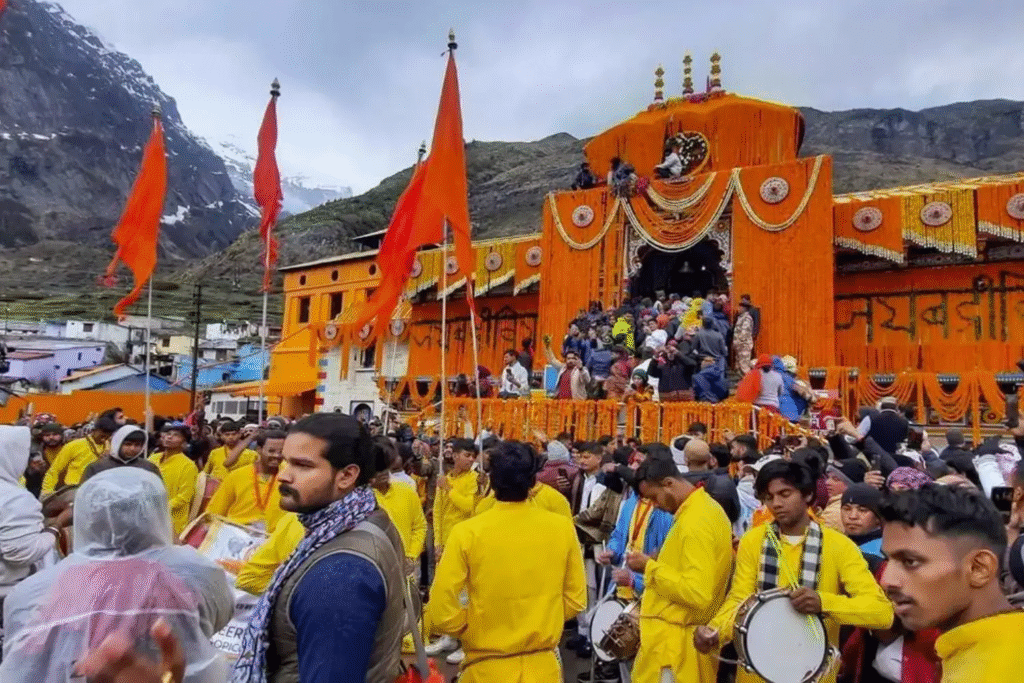
The True Spiritual Experience
I came to the Himalayas seeking God, but I found myself instead.
This journey is the ultimate reset button. When you’re walking that steep path, focused entirely on the next breath, the worries about your job, your bills, your relationships—they just can’t follow you up the mountain. They literally cannot survive the cold and the climb.
The sheer scale of the peaks makes you realize how utterly fleeting and small your daily problems are. You hear the endless chanting, you feel the cold wind sting your cheeks, and you witness profound acts of kindness between strangers. That’s the magic.
When I finally stood at Badrinath, I didn’t feel like I had seen four temples. I felt like I had completed a cycle. I came down from the mountains physically exhausted but spiritually renewed, like someone had finally turned the lights on inside.
You don’t just return from the Char Dham Yatra—you come back lighter, tougher, and with a quiet understanding that the divine presence isn’t just in the temples; it’s in the stone, the river, the air, and most importantly, right there in your own beating, tired heart.
If you loved reading about Char Dham Yatra Blog you might also like Badrinath Yatra.



Leave a Reply