
Honestly, the moment you start thinking about the Himalayas, you’ve already begun your pilgrimage. The full Char Dham Yatra is epic, but if time is tight or the physical demands feel too much, please know this: the Do Dham Yatra is the perfect, powerful dose of spiritual energy you need.
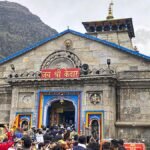
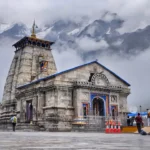
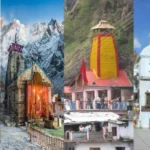
It focuses on two absolute giants: Kedarnath (the humbling, rugged sanctuary of Lord Shiva) and Badrinath (the peaceful, ancient abode of Lord Vishnu). This journey is about finding that perfect balance—the immense energy of Shiva against the serene peace of Vishnu.
To stand there, with the mountain wind biting at your cheeks and feeling the centuries of devotion in the air… it’s a complete spiritual download. This is your practical, heartfelt guide to planning your trip to Do Dham Uttarakhand.
🗺️ Understanding the Do Dham Route Map: The Road to Reverence
The pilgrimage is centered entirely around getting to these two sacred peaks. It’s a route that demands respect—a mix of long drives and, for Kedarnath, a significant trek.
Your Starting Point:
Most of us launch the adventure from the plains, usually Haridwar, Rishikesh, or Dehradun. Think of these cities as where you take that deep breath, leave the city chaos behind, and mentally prepare for the ‘mountain murmurs’ ahead.
The Sacred Flow:
The journey starts by road, leading you deep into the mountains toward the Kedarnath base camps: Guptkashi or Sonprayag.
From there, you begin the legendary trek up to Kedarnath Temple. This 18 km climb is not just physical; it’s emotional. It’s the heart of the Yatra.
After descending, you transition to the second part of the journey, driving across to Joshimath for a night’s rest.
The finale is Badrinath Temple.
The route:
Haridwar/Rishikesh → Guptkashi/Sonprayag → Kedarnath → Joshimath → Badrinath → Back Home.
This path gives you the wild, raw side of Shiva’s land, followed by the calmer, welcoming energy of Vishnu’s valley.
🚗 By Road: The Classic Way to Connect (Embracing the Do Dham by Road Experience)
This is the way to truly feel the Do Dham Yatra route. You’ll be in your car or taxi, tracing the lines of the sacred rivers, and trusting your driver on roads that hug the mountain cliffs.
The Vibe:
You’ll hire a private taxi, or join a local shared jeep, right from Haridwar or Rishikesh. This is where you see the Himalayas truly open up. You watch the landscape change, stop for hot, simple tea at roadside shacks, and feel that thrilling shift in the mountain air. This is where the Himalayas truly speak to you.
The Practicalities:
The drives are long—expect to spend 6–10 hours in the car on several days.
Hiring a private cab for the full Do Dham route generally costs ₹25,000–₹35,000 depending on the vehicle and number of days.
If you opt for shared jeeps or buses, it can be as low as ₹10,000–₹15,000 for the full round trip.
This is why you must plan for short, comfortable legs and prioritize acclimatization (getting used to the altitude). There are lots of simple, clean dharamshalas and local hotels along the route, and the food is always warm and nourishing.
Embrace the slow, almost meditative rhythm of the Do Dham by road journey.
If you just want to focus on the divine journey you can contact any tour and travel company like The Mountain Trekker who will take care of everything from food to travel and everything and make your journey safe and comfortable.
🚂 By Train: The Easy Start (Your Do Dham by Train Gateway)
While the tracks don’t reach the high temples (imagine the challenge!), the train is absolutely the best way to get to the base of the mountains feeling relaxed and ready.
The Hubs:
Your main railheads are Haridwar Junction, Rishikesh Railway Station, and Dehradun Railway Station.
If you’re coming from a major city like Delhi, the train is seamless and affordable — with fares ranging between ₹400–₹1,200 depending on class and train type.
Budget & Comfort:
Choosing the Do Dham by train route for the first leg is super smart. It’s comfortable, cost-effective, and you avoid the initial exhaustion of a long road trip from your city.
The Connection:
The moment your train pulls in, the air is buzzing! Right outside the station, there’s a whole network of transport—private taxis, shared cabs, and state buses—all waiting to whisk you off and start your Do Dham by road segment toward Guptkashi.
🚁 By Air: Fast, Scenic, and Comfortable (The Do Dham by Air Option)
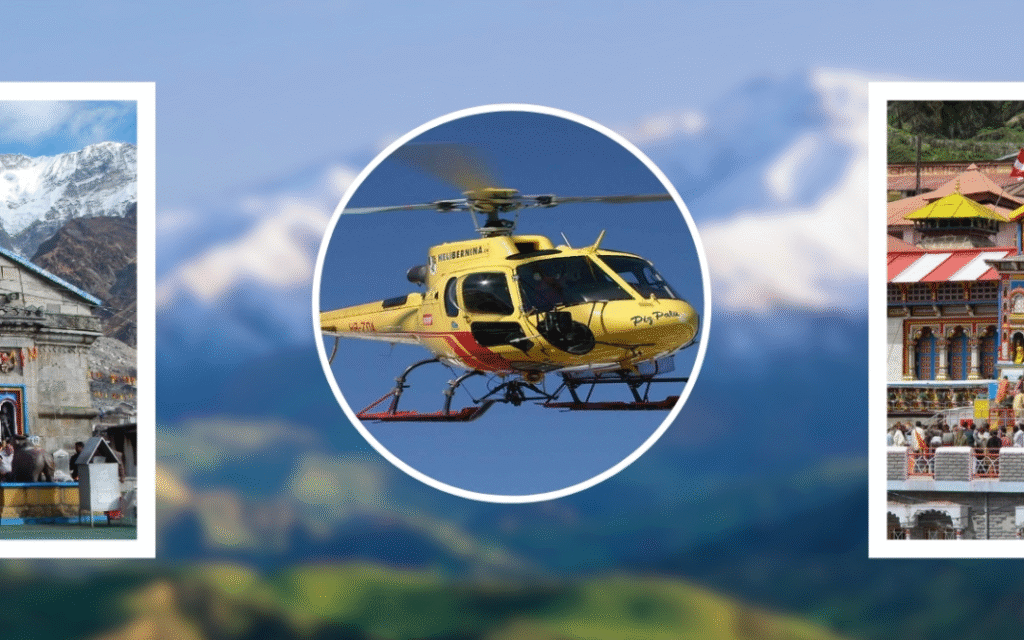
If you’re racing against the clock or traveling with elderly family members who need to minimize physical strain, the air route is an absolute game-changer.
The Main Airport:
Fly into Jolly Grant Airport (DED) in Dehradun. It’s the closest airport to start your ascent.
The Helicopter:
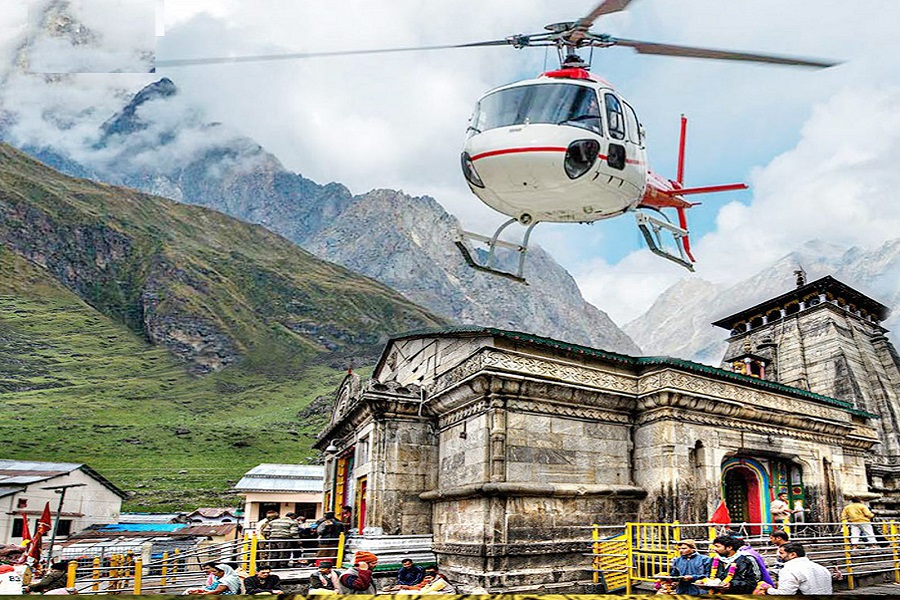
Companies fly out of Dehradun, or local bases like Phata or Sersi near Kedarnath.
This incredible service lets you complete the darshan at both Kedarnath and Badrinath in just one or two days of flying and short treks.
The Do Dham helicopter package typically costs ₹80,000–₹1,20,000 per person, depending on the operator and season.
The Takeaway:
It is an investment, yes, but you trade 7–10 days of intense road travel for a quick, breathtaking, and safe journey. It ensures senior devotees get to seek blessings without the physical toll of the high altitude roads.
🕊️ Picking Your Pilgrim Style: Which Option is Right for You?
The best choice is the one that makes you feel most centered and allows you to focus on your purpose of travel.
- For the Spiritual Adventurer: Go for the Road Trip. You get to trek the 18 km to Kedarnath and fully experience the epic drives. It’s tough, but that feeling of accomplishment is immense.
- For the Family or Budget Traveler: Use the Train to Haridwar/Rishikesh, then rely on local taxis or buses. It’s affordable, and connects you smoothly to the hills.
- For Senior Devotees or those who are time restricted: Invest in the Helicopter option. It’s safe, fast and you then you don’t have to focus on anything except the divine journey.
☀️ The Perfect Time to do the Do Dham Yatra
The temple gates are open for roughly half the year.
The Sweet Spots:
Plan your journey for the late spring or early summer: May to June, or the cool months: September to October.
A Gentle Warning:
Please avoid the monsoon season (July–August). Heavy rain brings landslides, road closures, and serious delays. And of course, the temples close from November to April due to heavy snowfall.
Packing Tip:
Listen to me on this one: pack in layers! Even if it’s warm in the daytime, the temperature drops fiercely at night in the higher areas.
You’ll need thermal wear, a proper warm waterproof jacket, gloves, and trekking shoes, especially for the Kedarnath climb.
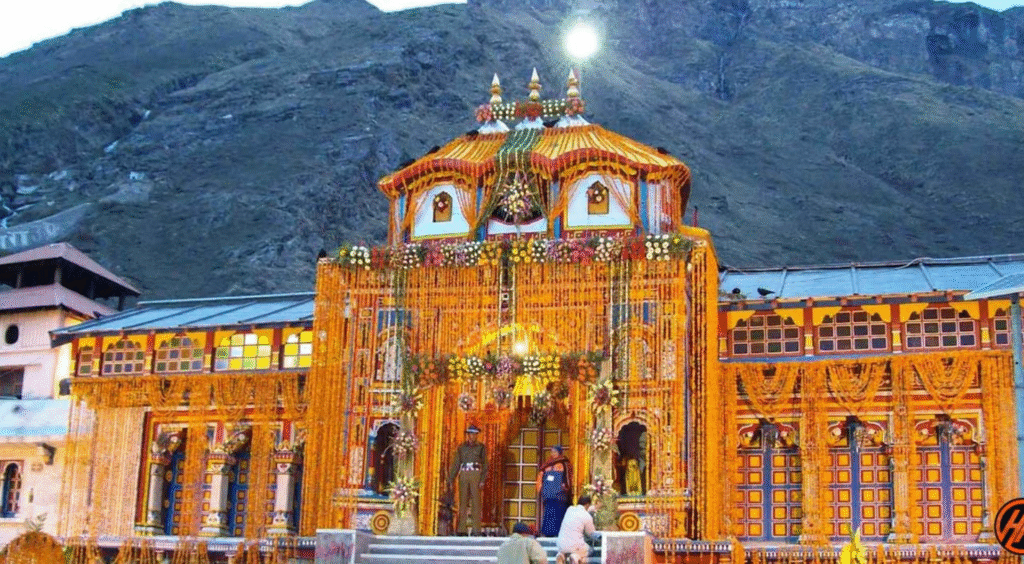
✨ In the silence of Kedarnath and Badrinath, you don’t just find peace—you find yourself.
If you loved reading about Do Dham Yatra Blog, you might also like Char Dham Yatra.



Leave a Reply