1. Ma Ganga’s Call
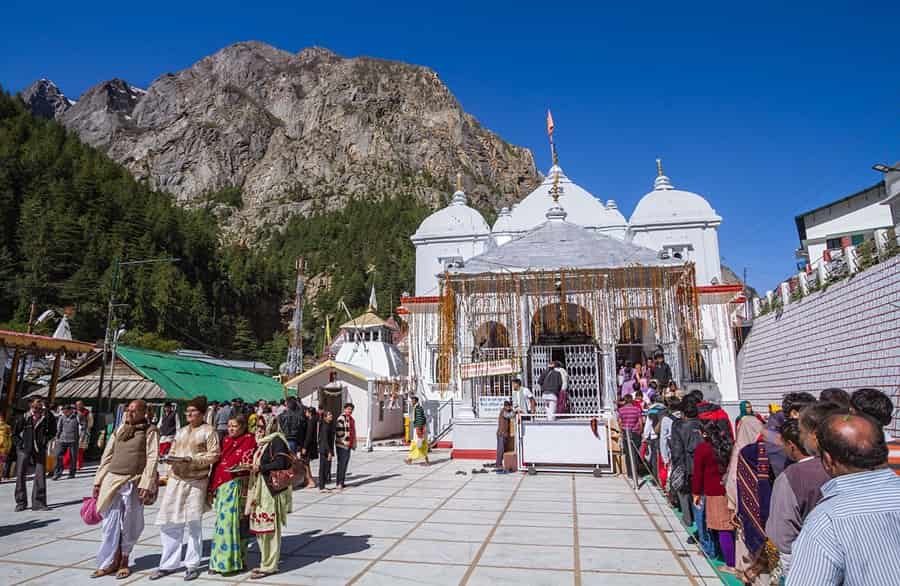
If you’ve ever stood by the Ganga, you know her power. But let me tell you, seeing her for the first time in Gangotri—not as the wide, sleepy river of the plains, but as a ferocious, crystalline torrent spilling from the mountain rock—that’s an experience that stops your heart. The air up there is pure ice, the sound is an unending roar, and the devotion? It hits you like a physical wave. Gangotri isn’t just a destination on a map; it’s where faith truly begins.
I know the dream: you want that peace, that connection, but you’re watching your budget. Trust me, I was checking my bank balance daily! I found out the hard way, and the smart way, how to do this sacred journey without breaking the bank. Consider this your personal map to experiencing the divine Gangotri Yatra, proving that the deepest connections don’t require the biggest spending.
2. The Stories the Mountains Tell
This isn’t just about visiting a temple; it’s about connecting with ancient history. The myths here are incredible! They tell the story of Goddess Ganga descending from heaven, her power so immense that Lord Shiva had to catch her in his matted locks just to soften the fall. Gangotri is the very spot where she finally emerged onto Earth.
When you stand there, hearing the river and seeing the sheer scale of the mountains, you feel that massive story. It’s a profound, humble feeling, like you’re sitting around a campfire with ancient sages. It’s personal, powerful, and utterly unique.
3. When to Go:
The temple is generally open between May and October. For comfortable walking weather, aim for the bookends: May/June or September/October.
Want my best savings tip? Go in September. The initial summer rush is gone, the monsoon rains have cleared, and the weather is crisp, clear, and absolutely perfect for trekking and Gangotri Yatra Buget travel . Since the crowds have thinned out, accommodation owners are much more willing to negotiate a lower price. It’s the absolute sweet spot for us budget travelers!
4. Getting There:
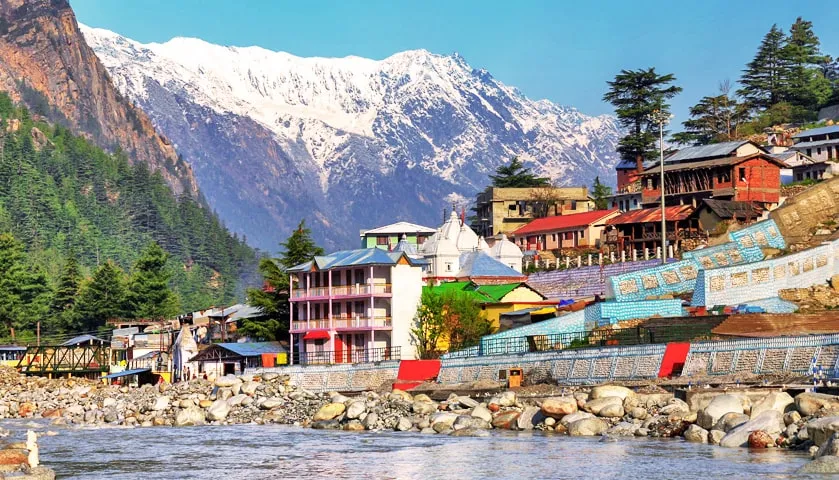
The key to keeping transport costs down is simple: skip the private cabs and become a pro at shared travel. It’s not just economical; it’s genuinely more fun because you meet some incredible people!
🚌 Stop 1: From the City to Uttarkashi (Our Reliable Hub)
Your first big task is reaching Uttarkashi, the main base camp. I always recommend taking a reliable state-run bus (like the UTC ones) from Delhi, Haridwar, or Dehradun. They’re the cheapest option—a ticket from Haridwar to Uttarkashi might set you back just ₹450 to ₹550. It’s a long haul, but the views of the river winding through the mountains are the best free entertainment you can get!
🚗 Stop 2: Uttarkashi to Gangotri (The Final Climb)
This last 100 km stretch is where people overspend. Don’t! When you get to the Uttarkashi bus stand, look for the big, shared Sumos or jeeps heading straight to Gangotri. They pack up with locals and pilgrims and leave when full. Expect to pay around ₹400 to ₹600 for your seat.
It’s a gorgeous 3-4 hour ride, and sharing it with new friends makes the journey fly by.
5. Where to Sleep: Simple Stays, Big Peace
You’re here for devotion, not a luxury spa! Keep your budget tight by choosing simple stays in the ₹500–₹1,500 range.
My Go-To Spots: Always check the local dharamshalas first. They are super basic but clean, often running on charity, and they embody the true pilgrim spirit. I also loved the GMVN (Garhwal Mandal Vikas Nigam) Guest Houses. They’re government-managed, reliable, clean, and offer great value (look for dorm beds if you’re solo!).
Pro Tip: Stay in Uttarkashi when possible. The accommodation options are cheaper and more plentiful than in the small, expensive village of Gangotri. Just leave your big luggage there and take a small bag up for the night.
6. What to Eat: Comfort Food is the Best Food
Mountain food is your best friend—it’s naturally cheap, healthy, and incredibly filling! Ditch the fancy restaurants and head straight for the family-run dhabas.
Your anchor meal should be the vegetarian thali (rice, roti, daal, and vegetable curry). It costs maybe ₹150 to ₹300 and fuels you up perfectly. If you want a specific comfort food, look for local dishes. After hours on the road, I swear a piping hot plate of rajma-chawal (kidney beans and rice) felt like the warmest hug imaginable. Grab cheap, hot chai from a tea stall for instant warmth and conversation.
7. Gangotri Yatra Budget: Essential Traveler Hacks
Here are the real-world tricks that saved me money:
- Buddy Up: If you’re traveling solo, try connecting with other pilgrims at the bus stands. Splitting the cost of those shared jeeps among 4 or 5 people makes a huge difference to your Gangotri Yatra Budget.
- Pack Your Pantry: Bring your own medical kit, energy bars, and nuts from home. Buying anything up near the temple path comes with a steep “mountain markup.” Be self-sufficient!
- Trust the Government Rate: Always check the GMVN prices. They are reliable, and because they’re government-run, they usually offer the best balance of hygiene and low cost.
- Avoid the Pony Tax: Unless you absolutely need it, walk! Putting your feet to the pavement saves you thousands you’d spend on hiring a pony or porter. Plus, the trek is the most rewarding part!
8. Must-Visit Places
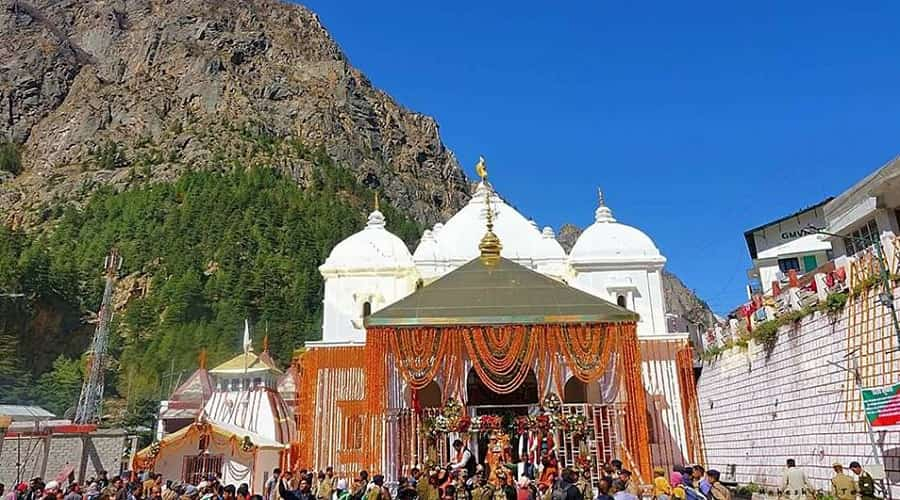
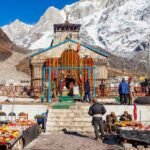
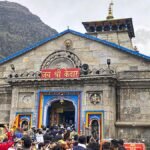
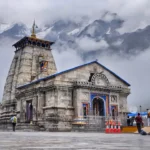
- The Gangotri Temple: This is the sacred heart. Make sure you time your visit to catch an aarti—the sound of the bells combined with the river’s roar is absolutely mystical.
- Surya Kund & Gauri Kund: You can feel the immense, cold energy of the river.
- Bhagirath Shila: King Bhagirath is believed to have meditated on the shila.
- For the Adventurer: If you have an extra day, consider walking a little way toward Bhojbasa (the stop before the Gaumukh glacier).
9. 3-Day Gangotri Yatra Budget Adventure
The exact plan that made my trip affordable (starting from Haridwar/Rishikesh):
Day 1: Journey to Uttarkashi
Take the early UTC bus and book an affordable room/Dharamshala. You’re looking at around ₹1,000–₹1,600 for Gangotri Yatra Buget travel, basic food, and stay today.
Day 2: Gangotri & Darshan
Early start! Shared jeep to Gangotri, temple visit, time by the river, and then the shared ride back to Uttarkashi. This day of intense activity should cost you just ₹1,300–₹1,800 (mostly for transport and food).
Day 3: Journey Home
Grab your morning bus from Uttarkashi back to the plains. That’s another ₹700–₹1,000 for your final transport and meals.
Total Cost: You can easily do this entire spiritual adventure for under ₹3,500–₹5,000! How amazing is that?
If you just want to enjoy the journey you can also contact any tour and travel companny like The Mountain Trekker who will take care of everything from food to stay and everything and make your jouney safe and comfortable
10. Emotional Closing: Finding Peace
This Yatra isn’t about how much money you spend. The sheer power of the Ganga and the quiet strength of the Himalayas remind you of what truly matters. Gangotri will remind you that peace doesn’t come from luxury—it flows from the heart, just like the Ganga herself. Go with an open heart and a tight budget. You’ll return home richer in spirit than you ever imagined!
If you loved reading about Gangotri Yatra Budget blog you might also like Chardham Yatra Budget blog.



Leave a Reply