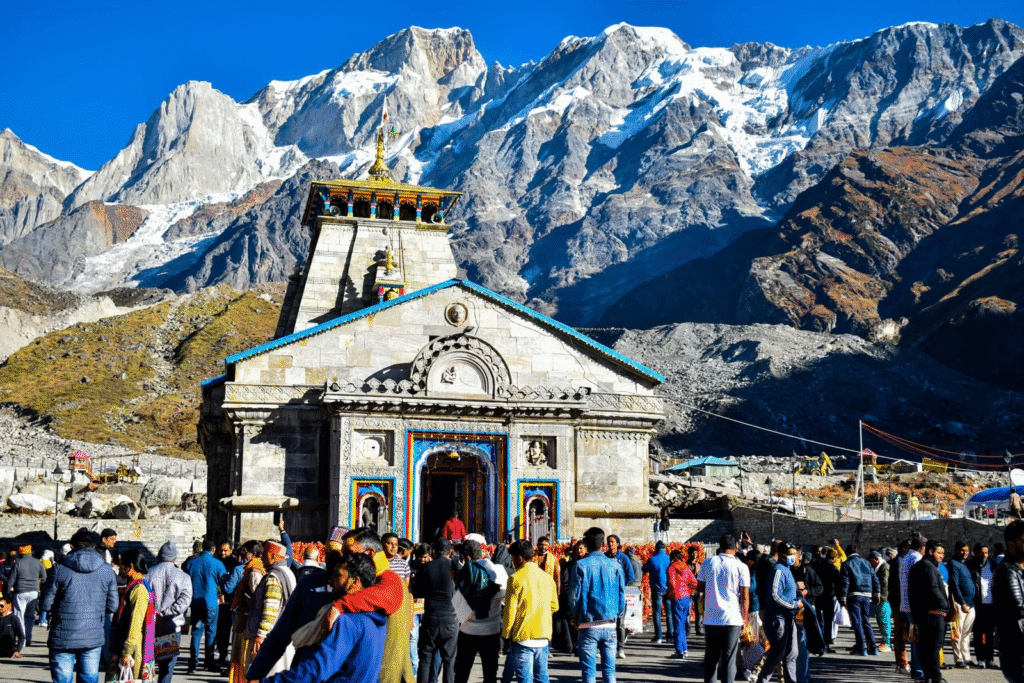
Okay, stop whatever you’re doing for a second. We need to talk about Kedarnath Temple.
It’s not just a pilgrimage; it’s a full-body, mind-blowing experience. Imagine standing so high in the Garhwal Himalayas that you genuinely feel closer to the sky than the earth.
The air? It’s electric—it doesn’t just feel cold, it feels alive with power. And that incredible silence? It actually hums with the presence of Lord Shiva. Kedarnath Temple is the holiest of the holy—the fiercest Jyotirlinga and a true test on the Char Dham Yatra.
Forget the grainy pictures and the formal histories. I want to take you inside the feeling of the place. We’re going to look at the stories that make the mountains sacred, the deep, emotional reasons people risk everything to get here, and why this stone structure has stood tall against literally every disaster imaginable.
If the mountains have been scratching at the back of your mind, trust me. This is your sign.
🪨 Kedarnath Temple Refuses to Quit: A History That Defies Logic
When you see Kedarnath, the first thing you think is: How is this still here? It’s not just old; it’s an absolute survivor.
You can find references to Kedarnath in epics like the Mahabharata and ancient texts like the Skanda Purana. It feels like this shrine has been a thing since the dawn of time, resisting erasure.
Then comes the game-changer: Adi Shankaracharya in the 8th century. He was the one who saw how critical this spot was and made sure it was properly re-established for pilgrims.
The temple has stared down floods and storms for centuries. It’s like the mountain itself said: “Okay, nature, you can try. But this one stays.”
🐂 The Stories That Make the Mountains Sacred
These aren’t fairy tales; they’re the sacred history that explains why we feel such immense devotion here. Get ready for the bull story—it’s epic.
Why Shiva Became a Bull (And Why the Lingam is Humped!)
This is the core legend. After the massive, tragic Kurukshetra war, the Pandavas were desperate to clear their guilt.
But Shiva, wanting them to truly earn it, wasn’t having it! He hid, turning himself into a bull and blending into the cattle herd near Gaurikund. When the Pandavas realized his disguise, Shiva dove right into the earth to escape.
But their brother Bhima was fast! He managed to grab the bull’s rear hump before it completely disappeared. That captured hump is exactly why the Shivling at Kedarnath Temple isn’t a neat pillar—it’s that unique, rough, humped stone formation. It’s the raw, physical proof of that moment!
The rest of the bull’s body parts appeared at four other spots, giving us the whole incredible Panch Kedar circuit.
The Saint Who Stayed
And then there’s Adi Shankaracharya. After his life’s work was done, he attained Mahasamadhi right near the temple. His resting place is just behind the main structure.
You feel it, too—a lingering sense that his powerful spiritual energy is still soaking into these mountains, quietly guiding every single pilgrim who makes the journey.

🧘 The Spiritual Punch: Why This Trip Is a Reset Button
Kedarnath is absolutely considered the express lane to moksha (liberation). But honestly, it’s just the best way to get rid of your baggage.
This temple sits where creation and destruction meet. It’s the center point of the universe’s eternal dance.
When you finally arrive and stand before that ancient stone, you don’t really pray the way you do at home. You dissolve.
The breath feels deeper, the sound of your own heartbeat seems louder, and it truly feels like Lord Shiva is right there, listening to the deepest, truest part of your soul.
That’s the feeling that changes you forever.
🚶 The Climb: It’s Meditation, Not Just a Walk
Reaching Kedarnath is the price of admission, and it’s a profound, challenging act of surrender.
The 16 km trek from Gaurikund is relentless. It’s steep, it’s exhausting, and it’s beautiful.
With every single step up, you’re letting go of something. The journey is your practice.
You’re carried along by the collective energy: the sound of Har Har Mahadev being chanted, the tiny bells ringing, and the furious rush of the Mandakini River beside you.
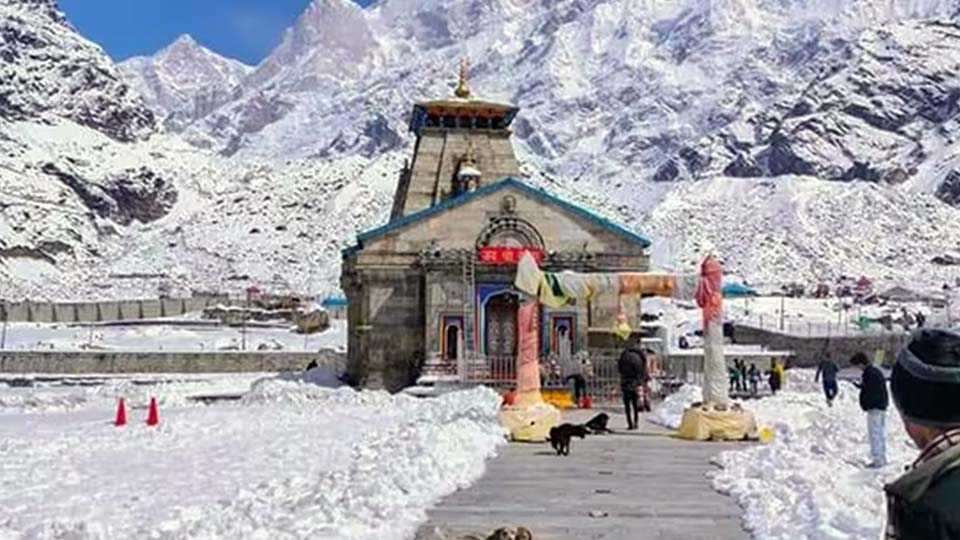
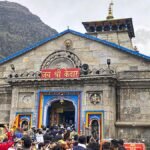
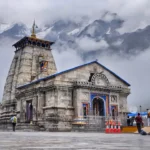
And then, it happens. The mist breaks, and you see it: the simple, strong stone temple, maybe with snow still piled around it, perfectly framed by the massive peaks.
That first sight is the most emotional reward you will ever earn.
🔔 The Rhythm of Life and Faith
The life here moves to a spiritual clock. You need to catch the energy of the rituals!
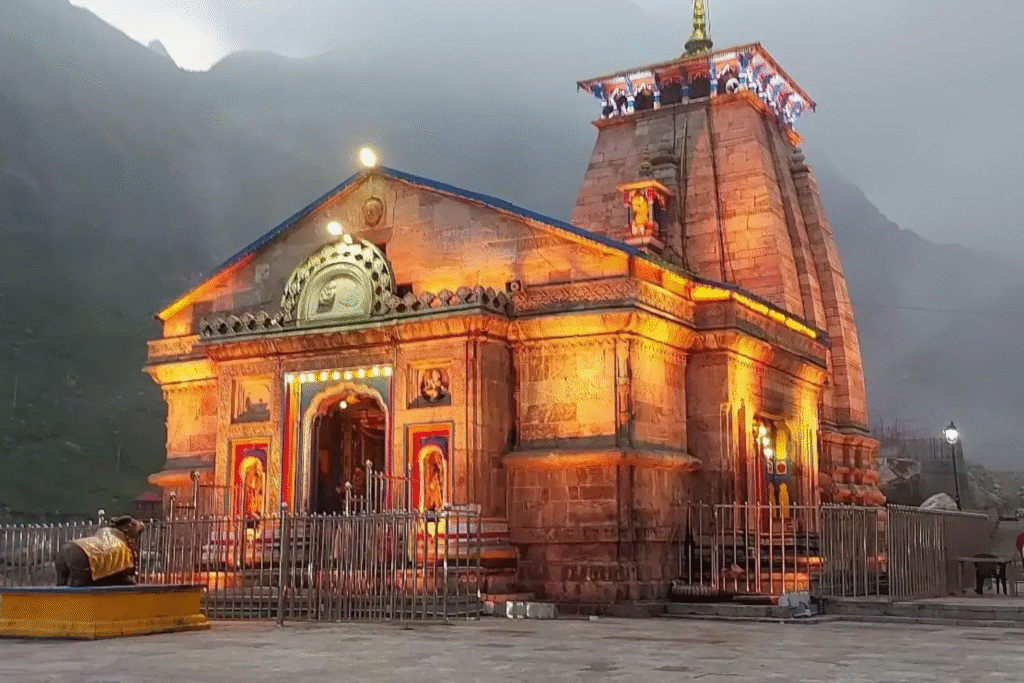
Try to attend the morning Rudra Abhishek or the evening Aarti. It’s a full-on sensory experience—bells, lamps, voices—all weaving together into a profound symphony of devotion.
And here’s a cool fact: the devotion literally moves!
For six months in the harsh winter, the temple closes, and the deity is moved in a centuries-old, massive procession to the Omkareshwar Temple in Ukhimath.
This isn’t a symbolic vacation; it’s honoring Shiva’s real, living presence.
☀️ Go Now: My Best Travel Advice
You have to respect the mountain’s schedule:
- Open: Late April/early May
- Closed: Late October/early November
- The Sweet Spot: May–June or September–October
- Avoid: Those scary July/August monsoon landslides!
My Personal, Non-Negotiable Tip:
Spend money on genuinely good, waterproof trekking shoes and a proper poncho.
If you just want to focus on the divine journey you can contact any tour and travel company like The Mountain Trekker who will take care of everything from food to travel and everything and make your journey safe and comfortable.
But more importantly: Go slow. Take breaks. Breathe the air deep into your lungs.
The effort is the meditation, and the mountain is watching your practice.
💫 Final Vows: What You Take Home
Kedarnath isn’t just a physical place you went to. It becomes a vibration inside you.
It’s an energy that strips away all your nonsense, tests you completely, and then fills you back up with quiet, powerful grace.
When you finally leave and look back, you don’t say goodbye to Shiva.
You carry Him back down the mountain, right there in your chest, beating quietly with every single breath you take.
If you hear that little whisper from the mountains, listen hard. Because when Kedarnath calls, it’s not just a trip—it’s your soul finally remembering where it belongs.
Seriously, what’s stopping you?
Are you worried about the altitude or the trek? Let me know, and I’ll give you my best confidence booster!
If you loved reading about Kedarnath Temple blog you might also like Kedarnath Yatra Budget.



Leave a Reply