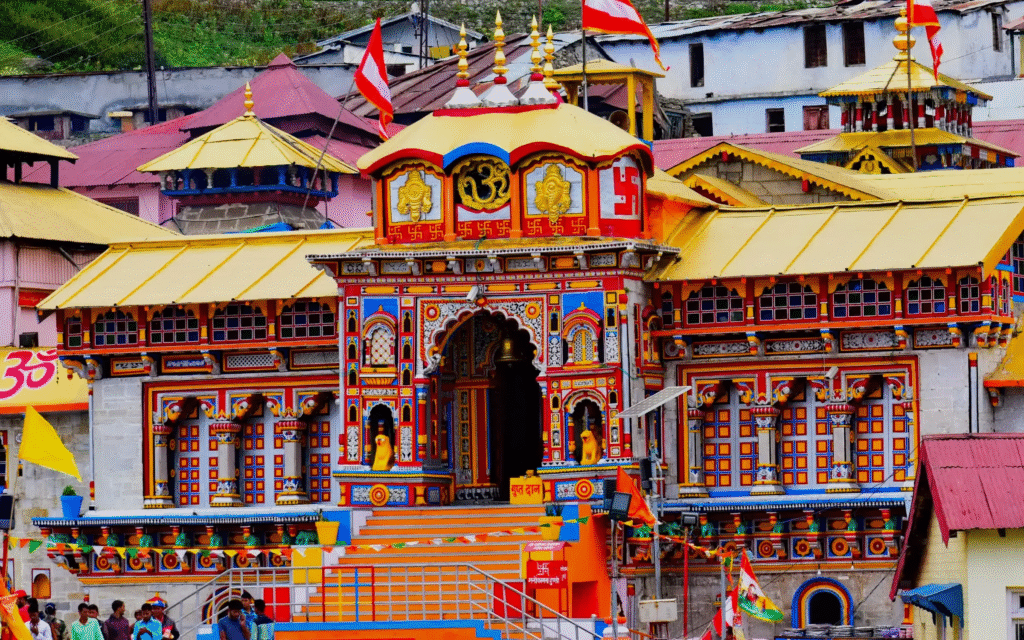
The Badrinath Yatra: Your Real-World Budget and Planning Guide
Hey there, future pilgrim!
You’re planning the Badrinath Yatra—one of the most meaningful and spectacular journeys in the Himalayas. This isn’t just a religious trip; it’s an adventure to the 11,000-foot-high abode of Lord Vishnu. Because of the altitude and the remote location, going in with a clear, practical plan is absolutely essential. Forget the complex spreadsheets and dry facts; this is your simple, human-to-human guide to nailing the budget and the logistics for a truly smooth experience.
Getting Up There: How to Travel During Badrinath Yatra
Badrinath is road-accessible only, and trust me, you need to factor in a two-day drive from the major starting points like Haridwar or Rishikesh (roughly 320 km). You simply can’t rush this mountain drive.
Your Transportation Choices
The Budget Option: The Bus
State-run buses are your cheapest ticket. They leave early from Haridwar/Rishikesh bus stands during the season.
The Reality Check: Due to mountain rules, the bus trip is always broken up. You’ll stop overnight, usually in Joshimath or Pipalkoti, and continue the next morning.
Expect to Pay: About ₹500 to ₹800 per person, one-way. Very economical for the distance!
The Middle Path: Shared Taxi
Look for Tempo Travellers or large SUVs offering seats. It’s faster and more comfortable than the bus, and you share the cost.
Expect to Pay: Around ₹1,000 to ₹1,500 per seat, one-way.
The Comfort Choice: Private Cab
If you’re traveling with family, the elderly, or just prefer to stop when you want, a private cab is worth the extra rupees.
What it Costs (Round Trip, 3-4 Days from Haridwar):
Standard Sedan (e.g., Dzire): Budget ₹14,000 to ₹18,000 total.
Larger SUV (e.g., Innova): Budget ₹20,000 to ₹26,000 total. Split this cost amongst your group.
This whole journey to the temple is the core of the Badrinath Yatra experience.
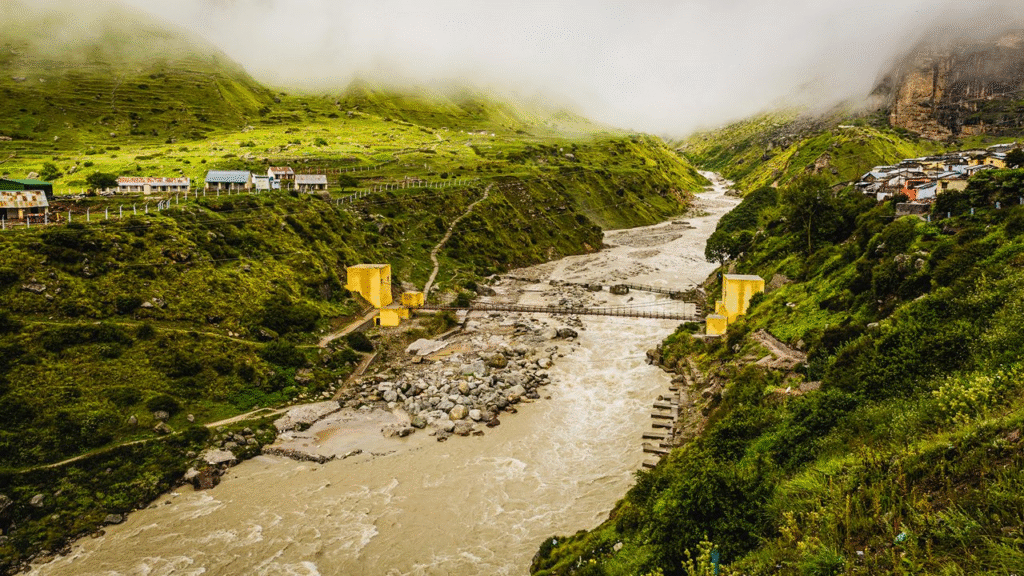
💰 Let’s Talk Money: Your Complete Badrinath Yatra Budget
Here is a straightforward cost breakdown for a standard 3-day, 2-night trip, based on real-world prices during the busy season (May, June, September, October).
Expense Category Table For Badrinath Yatra
| Expense Category | If You’re Traveling on a Tight Budget (Per Person) | If You Prefer Comfort/Mid-Range (Per Person) |
|---|---|---|
| Transport (Haridwar Round Trip) | ₹1,000 – ₹1,600 (Bus) | ₹2,000 – ₹3,000 (Shared Taxi) |
| Accommodation (2 Nights) | ₹1,000 – ₹2,000 (Dharamshala/Ashram, often shared rooms) | ₹3,600 – ₹7,000 (Clean, standard hotel with private bath) |
| Food (3 Days) | ₹700 – ₹1,200 (Simple, delicious vegetarian meals at local dhabas) | ₹1,500 – ₹2,500 (Restaurant meals, more variety) |
| Local/Miscellaneous (Registration, Puja, Tips) | ₹500 – ₹1,000 | ₹1,000 – ₹3,000 (Includes a contribution/small puja) |
Total Estimated Cost (Excl. Shopping)
₹3,200 – ₹5,800 (Budget)
₹8,100 – ₹15,500 (Comfort)
Crucial Point: You must complete the mandatory Yatra Registration (biometric). You can do this online before you leave or at official counters in Haridwar/Joshimath. It’s usually free or just a nominal fee.
🔹 Timing is Everything: When to Go for Badrinath Yatra
The temple is only open for about six months a year. Choosing the right time makes all the difference for your Badrinath Yatra.
When It’s Open: Generally from late April/early May until mid-November.
The Best Time For Badrinath Yatra
May & June: The weather is the most pleasant—cool days, clear skies. Ideal for travel, but this is the peak season, meaning maximum crowds and highest prices.
September & October: This is the secret window. The monsoon has passed, the air is crisp, and the mountain views are incredible. It’s slightly colder but far less crowded than summer.
When to Avoid
July and August (Monsoon): The risk of landslides and road closures is very high. While the temple is open, the journey itself becomes unreliable and often dangerous.
If you just want to focus only on the journey you can also contact tour and travel companies like The Mountain Trekker who will take care of everthing from food to stay and everthing.
🗺️ A Helpful 3-Day Badrinath Yatra Itinerary
Day 1: The Drive to an Overnight Stop
Early Morning (6:00 AM): Start driving from Haridwar/Rishikesh. Don’t delay!
Mid-day: Stop for a break at a key confluence like Devprayag or Rudraprayag.
Evening (5:00 PM): Reach Joshimath or Pipalkoti for the night. This is a crucial stop to break the long journey.
Day 2: Temple Darshan and Mana Village
Morning: Drive the final 1.5–2 hours to Badrinath.
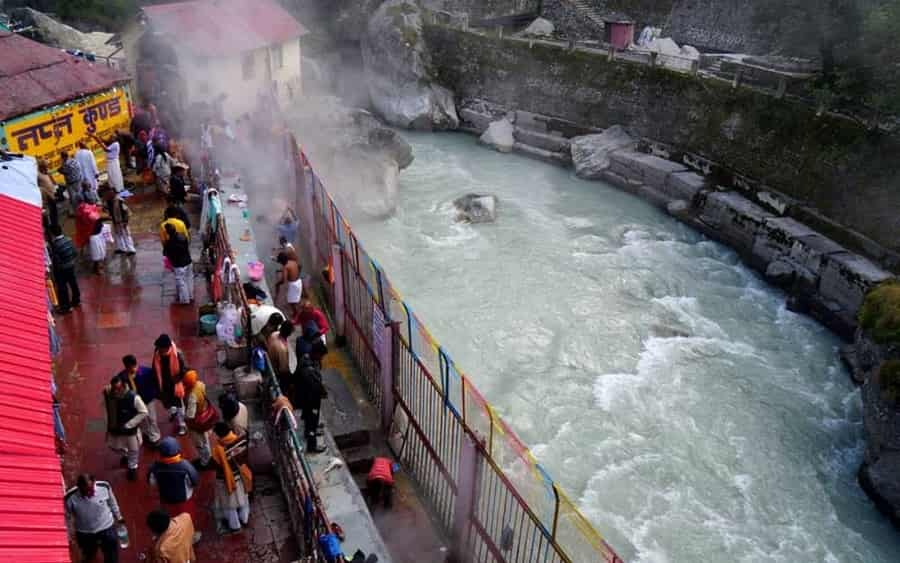
Temple Prep: Take a dip in the Tapt Kund (the hot springs near the temple) before lining up for darshan. It’s a tradition!
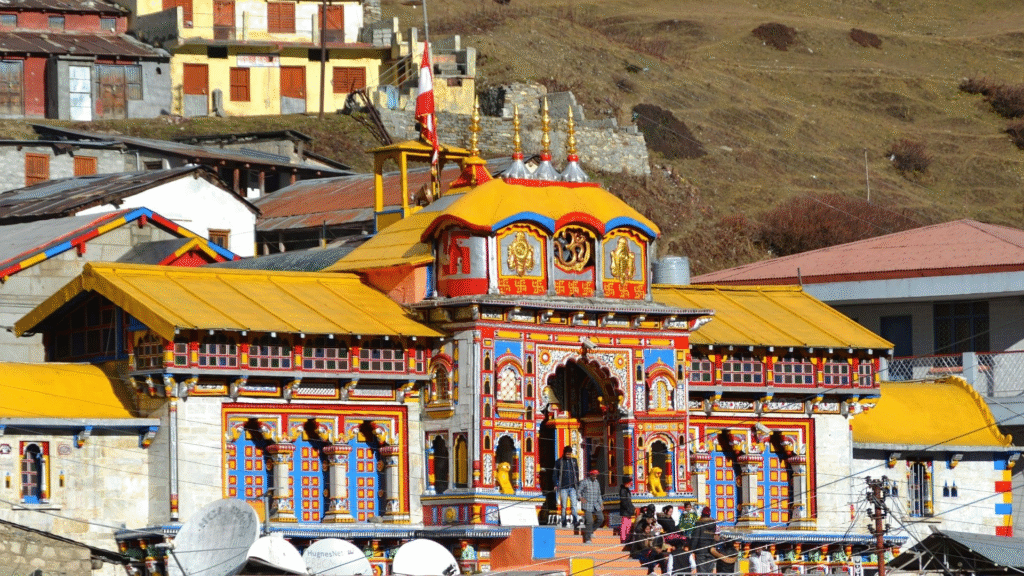
Darshan: Head into the Badrinath Temple.
Afternoon Exploration: Drive 3 km to Mana Village, often called the ‘last village of India.’ You can visit the Vyas Gufa (cave), Ganesh Gufa, and see the mighty Bhim Pul over the Saraswati River.
Evening: Try to attend the mesmerizing Evening Aarti at the temple.
Night: Stay overnight in Badrinath or return to Joshimath for potentially better accommodation.
Day 3: The Descent
Early Morning: Grab breakfast and start the long drive back down the mountains toward Haridwar/Rishikesh.
Evening: Complete your successful Badrinath Yatra journey.
🧳 Don’t Forget to Pack This For Badrinath Yatra !
The high altitude demands sensible packing. Layering is key!
- Clothes: This is crucial. Bring thermal innerwear (the thick kind!), a heavy jacket (down or windproof), sweaters, a woollen cap, and good gloves. Even in summer, evenings are freezing.
- Footwear: Sturdy, comfortable walking shoes with a strong grip. You don’t need heavy trekking boots, but your everyday sneakers won’t cut it.
- Your Personal Pharmacy: Keep prescription medicine, basic painkillers, antacids, and especially motion sickness tablets handy for the winding roads. ORS packets are great for hydration.
- Cash & Papers: Carry enough cash. ATMs up high are notoriously unreliable and often empty. Keep your photo ID and a printout of your Yatra Registration safe.
- Essentials: Sunscreen (the high altitude sun is intense), lip balm, a good power bank (absolutely essential), and a torch/headlamp.
🚨 Final Practical Tips for Your Safety
A successful pilgrimage is a safe pilgrimage. Keep these no-nonsense tips in mind:
- Watch the Altitude: Badrinath is high! Walk slowly. Don’t rush. If you get a headache, nausea, or feel dizzy, please rest and drink fluids. This is not the time to test your limits.
- Road Rules: Never travel on the mountain roads after 5 PM. It’s much too dangerous. Start and end your day early.
- Fitness: A little bit of walking or light exercise before your trip will make the long days of travel far easier on your body.
- Elderly Folks: If you’re traveling with seniors, consider getting a fitness check-up for them before you go. A private car will ensure they have comfort and can stop when needed.
Conclusion
The Badrinath Yatra is totally manageable, budget-wise and logistically, with this preparation. Get ready for an incredible, clear-skied journey!
If you loved reading about Badrinath Yatra blog you might also like Chardham Yatra Budget blog where i explained in detail cost of doing chardham yatra.


Leave a Reply