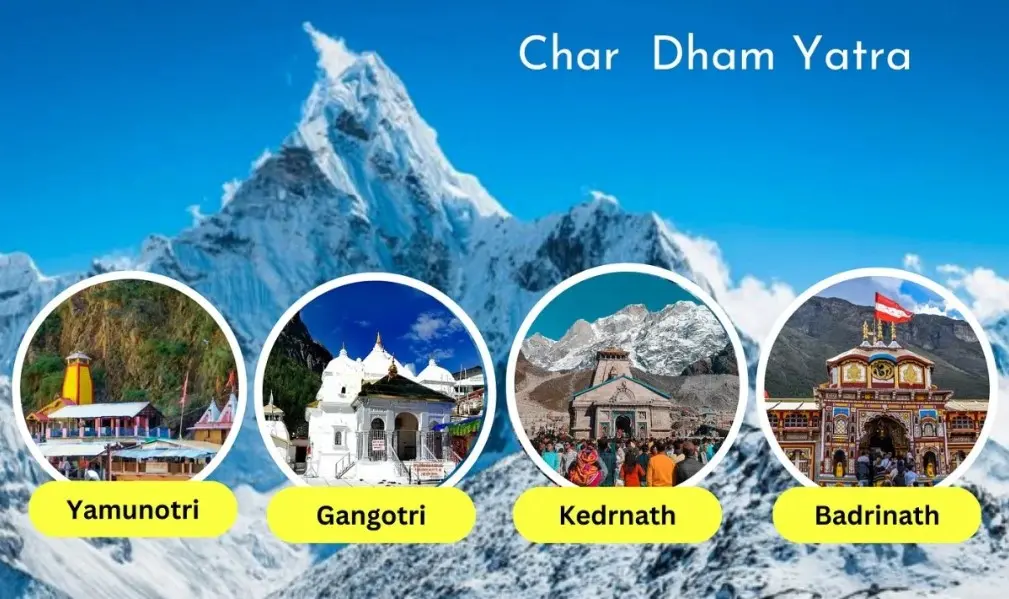
1. The Call of the Himalayas: Chardham Yatra
You know that feeling when a whisper in your heart gets so loud it becomes a roar? That was the Himalayas calling me. I remember the morning my Chardham Yatra officially began. I was standing in Rishikesh, and the air was a knife-edge of cold and the sound of the Ganga was electric. This wasn’t just a trip about ticking off four temples; it was about confronting myself, about shedding years of city stress and noise.
The mountains don’t care if you’re rich or poor; they only ask you to show up. As the car began to wind its way deeper into Uttarakhand, the planning part of my brain shut down, and the feeling part took over. You look up at those terrifyingly beautiful peaks and realize how small you are, and that humility is the first, most precious lesson. Every single hairpin bend became a moment of letting go. This pilgrimage is not a travel plan; it’s a profound, sometimes messy, promise of inner transformation. It’s a journey to the deepest part of your soul.
2. Why We Go for Chardham Yatra : Clarity, Surrender, and Humility
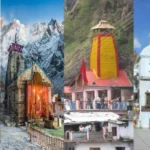
Why do thousands of us commit to this demanding travel every year? Because this journey is the spiritual spine of India. It’s the cycle of life, purification, and salvation, all wrapped up into one strenuous, incredible experience.
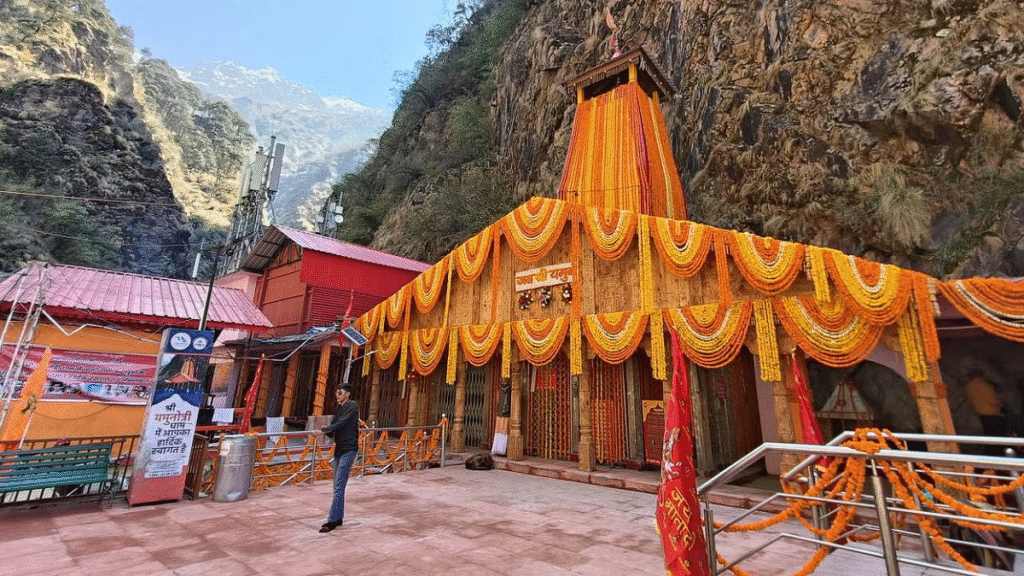
Yamunotri
We start here. It’s a gentle but determined climb—a warm-up for the soul. The river represents devotion and the persistent force of nature. It’s the purification before the deep spiritual work begins.
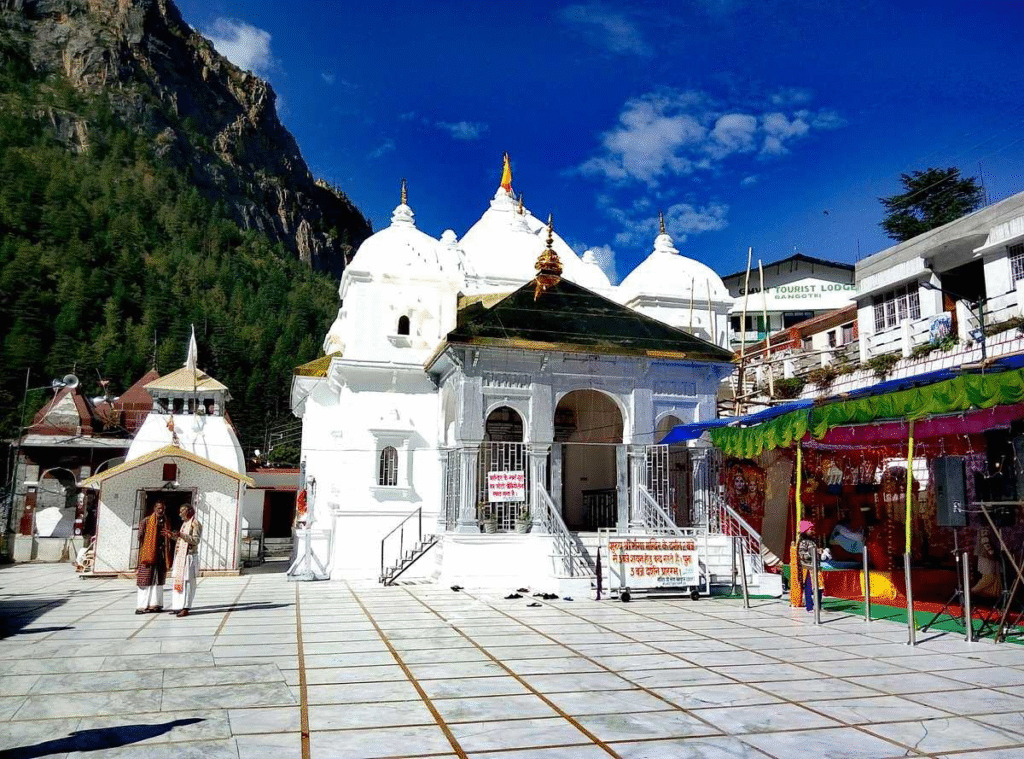
Gangotri
This is the source of the Mother River, the Ganga. Standing at the temple, feeling the icy spray of the Bhagirathi, you feel completely washed clean. It’s a moment of profound grace that truly humbles you.
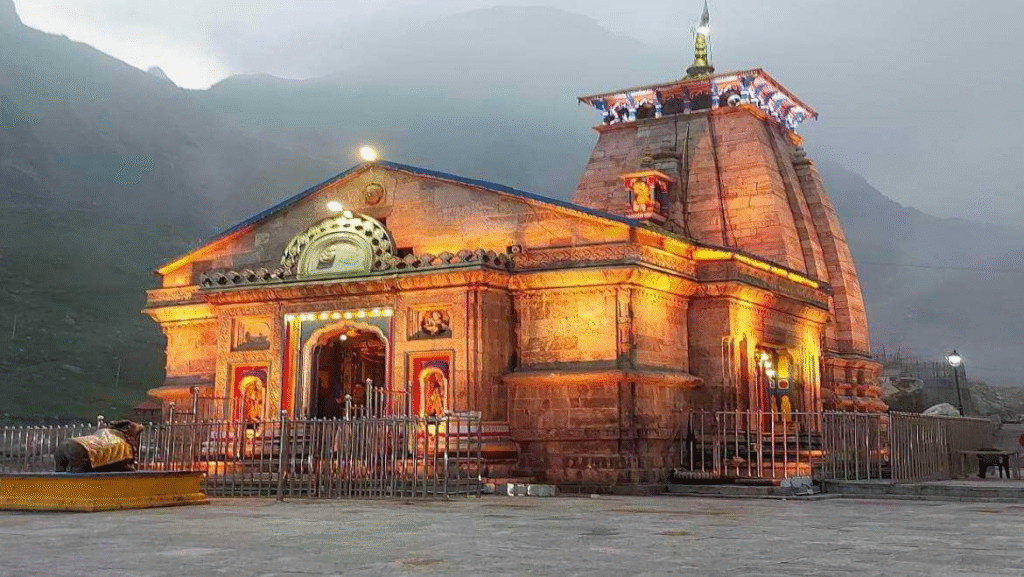
Kedarnath
This is the raw heart of the journey. Lord Shiva’s territory is rugged, breathtakingly beautiful, and reached only through true grit. The trek is physically demanding, but that effort is the prasad you offer. You confront your physical limits and learn what true surrender feels like.
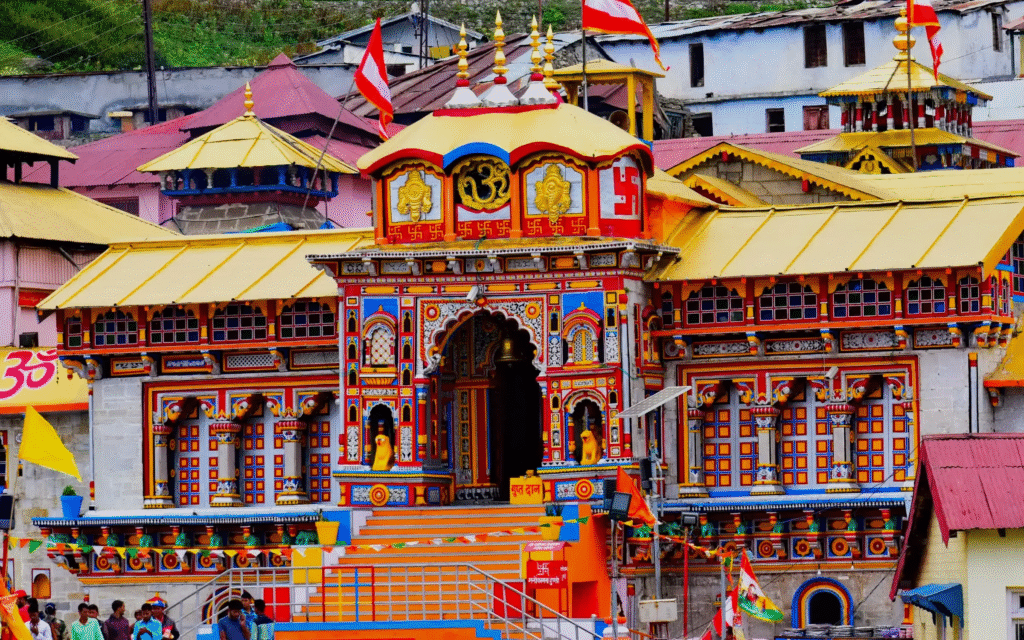
Badrinath
The final, peaceful goal, the seat of Lord Vishnu. After the exhausting effort of Kedarnath, Badrinath feels like coming home. It’s the warm embrace—the gentle reward for all the hard work.
The entire Chardham Yatra strips away the nonsense. It resets your perspective. You return home lighter because the mountains have absorbed the ego and the worries you carried up with you.
3. 💰 Detailed Budget Breakdown for Chardham Yatra
Let’s get real about money. This journey can be done on a shoestring or with all the comforts. Here’s a rough idea of what a realistic 10-day trip might cost (per person).
Transport Costs for Chardham Yatra
If you’re okay with slower, more communal travel, shared jeeps or state buses are your budget heroes. They’re slow, sometimes crowded, but absolutely affordable, costing about ₹8,000 – ₹12,000 for the whole circuit.
If you crave freedom and speed, a private taxi for the entire route is a huge sanity saver. Expect to pay between ₹30,000 – ₹45,000 for the vehicle itself (split among your group). My personal advice? Invest here. A reliable driver and the ability to stop when you need to are invaluable.
If you choose the Kedarnath helicopter, which saves your legs and takes your breath away, budget an extra ₹8,000 – ₹10,000 round trip.
Stay and Food cost during Chardham Yatra
Accommodation: Forget luxury. You want clean, warm, and available. Basic dharamshalas or government-run GMVN stays are about ₹800 – ₹1,500 per night. Mid-range spots (with working geysers!) are ₹2,000 – ₹3,500. Crucial Tip: In May and June, accommodation prices double. Book your GMVN rooms online months in advance to lock in fair rates. They are clean, reliable, and government-approved.
Food: Your body will thank you for sticking to simple, vegetarian mountain fare. Hot dal-roti, steaming rice, and the ubiquitous, delicious pahadi Maggi. It’s cheap, easy on the stomach, and soul-satisfying. Budget about ₹500 – ₹800 per day for all your food and constant cups of life-saving chai.
The Unexpected Costs during Chardham Yatra
You must carry an emergency fund—at least ₹5,000 – ₹10,000 extra. Roadblocks happen. You might need to stay an extra night. You might need a pony when your knees give out. Being prepared for the unexpected is key to a peaceful Chardham Yatra.
4. 🌤️ Best Time to Do the Chardham Yatra: The Golden Window
When should you commit? This makes or breaks the journey. The temples are typically open from late April/early May until late October/early November.
Peak Season (May-June)
The weather is sunny, but I have to tell you, the crowds are immense. It often feels like a massive, slow-moving queue, which isn’t ideal for a spiritual journey.
Monsoon Warning (July-August)
Just don’t. The mountains are unstable. Landslides are real, and your 8-hour drive can turn into a stressful 20-hour ordeal. Safety first!
The Golden Window (September-October)
This is the magic time. The monsoon has scoured the dust away, the air is clean, and the views are unbelievably sharp. The crowds are thinner, allowing you to actually feel the silence and spirituality. If you want a peaceful, reflective Chardham Yatra, aim for September.
5. 🗺️ My Heartfelt 10-Day Itinerary for Chardham Yatra
Day 1: The Start Line for Chardham Yatra
Haridwar/Rishikesh → Barkot. A long drive. Don’t rush. Take frequent breaks, and watch the landscape change—the transition from the chaos of the plains to the quiet power of the hills is profound.
Day 2: Yamunotri, The Gentle Beginning
Early start for the trek. Let the gentle, feminine energy of the Yamuna greet you. The hot springs near the temple are a little miracle—a warm hug after the cold trek.
Day 3 & 4: Mother Ganga’s Embrace
Drive to Uttarkashi, then on to Gangotri. The drive is simply stunning. Standing at the Ganga’s true source is a moment of total purification. You feel clean, inside and out.
Day 5: Shifting Gears
Uttarkashi → Guptkashi. This is a crucial travel day where the landscape gets rugged, wilder—you’re heading toward Shiva’s territory. You can feel the energy shift.
Day 6: Kedarnath, The Surrender
The trek will test you. It will hurt. But when you finally see that massive stone temple emerge from the clouds, you’ll forget the pain. That raw, ancient power is overwhelming. It’s the emotional peak of the Chardham Yatra.
Day 7: The Journey Continues
Descend, rest your tired soul, and drive toward Badrinath’s valley. Keep an eye out for the incredible river confluences (Sangams), where the colors of the rivers merge—it’s a spiritual spectacle.
Day 8: Badrinath, The Finale
Morning darshan. This temple feels serene and welcoming, like a reward. Take a moment by the Tapt Kund hot springs to truly soak in the tranquility.
Day 9: The Final Reflections
Visit Mana Village, the last inhabited village. Sip chai at the legendary “last tea shop.” It’s a quiet, perfect way to end the religious aspect of the trip.
Day 10: Home, But Changed
The long return journey. You’re quieter now.
If you just want to focus only on the journey you can also contact tour and travel companies like The Mountain Trekker who will take care of everthing from food to stay and everthing.
6. ❤️ Travel Tips I Wish I Knew
Packing is Protection during Chardham Yatra
Layers! You need thermals, a fleece, and a proper windproof/waterproof jacket. The weather changes every hour. Bring a high-quality poncho, a powerful bank (electricity is dicey), and a small stash of personal medicines.
Altitude Awareness
Your body is carrying your soul on this pilgrimage. Treat it well. Walk slowly. Drink water constantly. Don’t push yourself for a photo op. The mountains demand respect, not speed.
Cash is King
ATMs are unreliable. Have enough cash for two days at all times.
Temple Etiquette
Dress modestly. Remove your shoes far from the temple entrance. Be respectful and silent. This is a profound, sacred space, not a typical tourist stop.
Environmental Responsibility
Carry back your plastic. Every single wrapper. This beautiful place is our gift, and we must protect it.
7. The Memory That Stays
The Chardham Yatra will push you. It will make you tired, cold, and occasionally frustrated. But it will also give you moments of crystalline clarity and beauty you will never find anywhere else on Earth.
Go with an open, brave heart. The sacred path awaits.
If you loved reading about Chardham Yatra blog you might also like Chardham Yatra Budget blog where i explained in detail cost of doing chardham yatra.



Leave a Reply