1. The Spiritual Pull of the Himalayas: My First Step
You know that feeling when you’re anticipating something huge? Like a massive, life-altering hug? That’s what planning the Do Dham Yatra felt like for me.
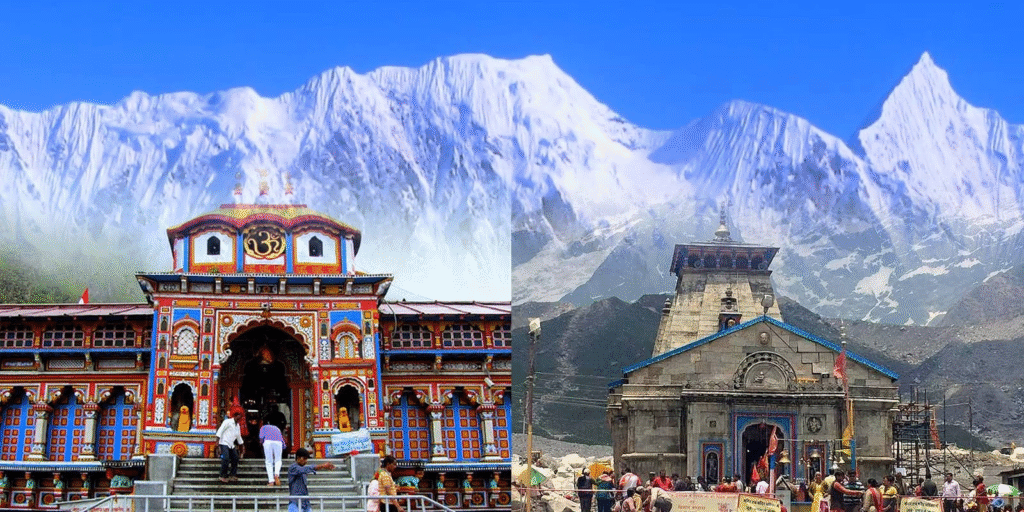
There is a precise moment on the winding roads up from Rishikesh where the air doesn’t just get colder—it gets thinner, and somehow, louder. It’s the roar of the rivers, the whistling wind around the prayer flags, and the deafening silence of peaks that have stood there for millennia. When I first stepped out and saw the mountains, I didn’t see rocks; I saw sentinels. They stand guard over Kedarnath and Badrinath, protecting secrets and promising transformation.
2. Why We Go: Clarity, Surrender, and Awe
Why do thousands of us undertake this demanding trek every year?
It boils down to a need for clarity.
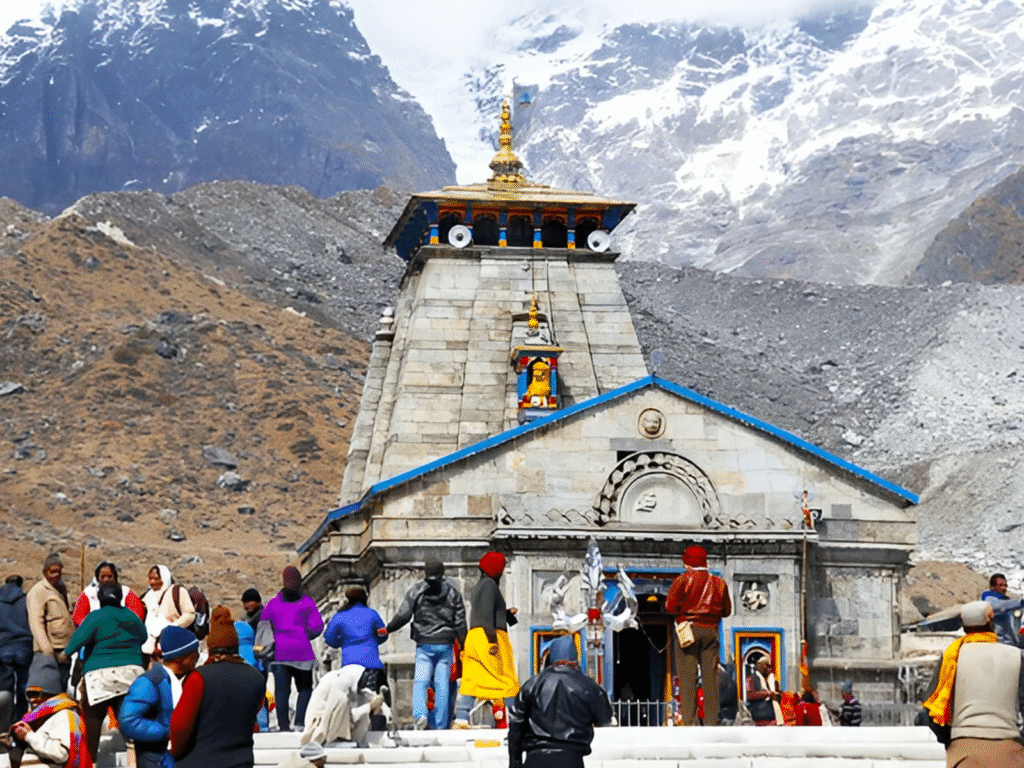
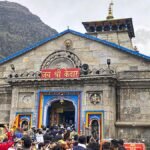
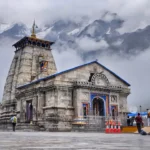
Kedarnath is raw and primal. It’s Lord Shiva’s wild, high-altitude sanctuary. The moment you stand before that ancient stone temple, weathered by untold storms, your ego just shrinks. The trek itself is an act of surrender. You realize how small you are, and that humility is the greatest gift the mountains offer.
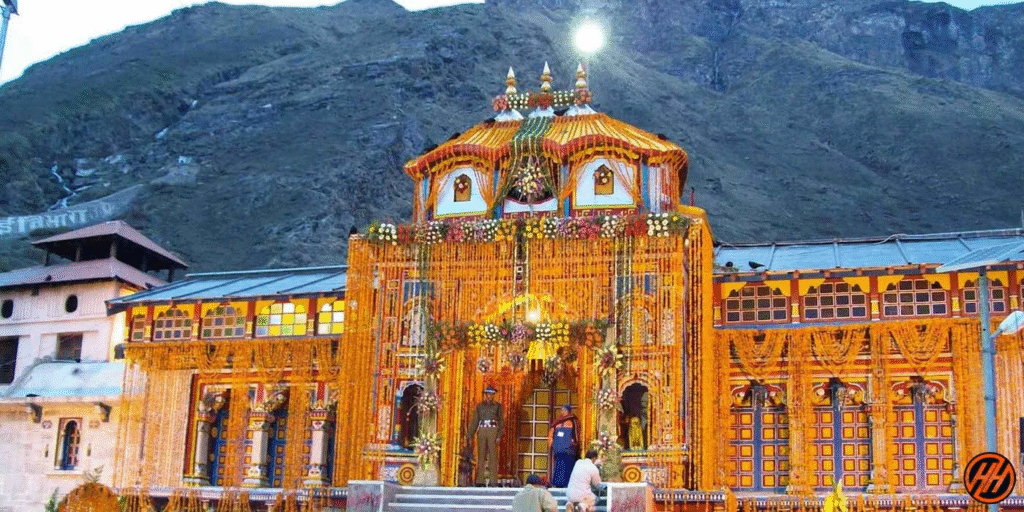
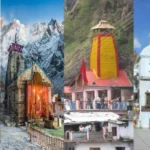
Badrinath offers a different kind of peace. It’s serene, colorful, and set by the gentle flow of the Alaknanda.
3. 💰 Do Dham Yatra Budget
Here’s a breakdown of what a realistic, 5-day trip might cost you (per person, as an estimate).
Transport Costs Do Dham Yatra : Getting There Is Half the Battle
If you’re on a budget, look at shared jeeps or government buses from Haridwar or Rishikesh. This might cost you somewhere between ₹5,000 to ₹7,000 for the back-and-forth travel to the base points. They’re slow, crowded, but very authentic!
For the Comfort Pilgrim, a private taxi for the whole journey might run you ₹12,000 to ₹18,000. My advice? If you can afford it, book a local driver for the final day to Sonprayag/Badrinath.
If you opt for the Kedarnath helicopter, budget a significant chunk—around ₹8,000 to ₹10,000 round trip. Book well in advance and keep a buffer day, as weather delays are common.
Stay and Food: Comforting, Simple Sustenance for Do Dham Yatra
For accommodation, you have a spectrum:
Soulful Budget: Basic dharamshalas or small guesthouses. Expect cold rooms but warm hearts. You’re looking at about ₹2,000 to ₹4,000 for four nights. How to Save: Utilize GMVN (Garhwal Mandal Vikas Nigam) bookings for clean, reliable stays at fixed, state-controlled prices.
Mid-Range Comfort: Cleaner hotels with room heaters and better blankets will put you in the ₹6,000 to ₹10,000 range.
Food is cheap and simple. Stick to the local vegetarian fare. The simple dal-roti and mountain chai are affordable, comforting, and authentic. They are often the best meals you will have! Budget about ₹2,500 to ₹4,000 for five days of simple meals.
Miscellaneous and The Peak Season Sting
Factor in another ₹1,500 to ₹5,000 for essentials like prasad, donations, or if you need to hire a mule or palki on the Kedarnath route.
Crucial Warning: If you travel in the peak season (May-June), expect all prices (stay, food, even small snacks) to surge by 30%–60%. The most economical and peaceful time for your Do Dham Yatra is definitely September.
4. 🌦️ The Best Time for Do Dham Yatra
The full season runs May to October, but choosing the right month can completely change your Do Dham Yatra experience.
Peak Season (May-June): The weather is usually great, but be ready for long, snaking queues. You trade patience for pleasant weather.
The Monsoons (July-August): Be very cautious. Roads are prone to landslides, and visibility is low. It’s a riskier, more unpredictable journey.
The Sweet Spot (September – Early October): This is my top recommendation. The monsoon has cleared the air, making the mountain views stunning and crystal clear.This is the best time for Do Dham Yatra.
5. 🗺️ 4-Day Itinerary For Do Dham Yatra
Day 1:
We drove from Haridwar and aimed for Guptkashi or Sonprayag. It’s a marathon drive, so be kind to yourself. The moment the Ganga slowly turns into the narrower, fiercer Mandakini is mesmerizing. Stop frequently, have that hot, sweet mountain chai—it recharges your spirit immediately. Stay the night near Kedarnath’s base, feeling the altitude settle in.
Day 2:
Surrender at Kedarnath. The morning chill bites! Start the 18km trek early. Your legs will burn, but the energy of the trail, the chants of fellow pilgrims, and the roar of the river keep you going. The sight of that massive, ancient stone temple emerging from the mountain folds is a moment of pure magic. That raw, sacred silence inside the temple is why you came.
Day 3:
The Crossroads. You’ll be sore today—that’s just the tax you pay for the climb! After resting and descending, we drove toward Badrinath (staying overnight near Joshimath). This road is spectacular, especially as you drive alongside the Alaknanda river. Look out for the meeting of the rivers (Sangams)—a truly profound sight that defines the Do Dham Yatra.
Day 4:
Peace at Badrinath. Take the plunge (or at least a sprinkle!) in the Tapt Kund (Hot Springs) before darshan—it’s therapeutic! Badrinath is serene, colorful, and feels incredibly peaceful. Afterwards, take a short trip to Mana Village, India’s “Last Village.” Have a cup of tea at the “last tea shop”—it feels strangely profound and is a beautiful, reflective end to the core pilgrimage.
Day 5:
The Reflection. The journey back is different. The Do Dham Yatra is complete.
If you just want to focus only on the journey you can also contact tour and travel companies like The Mountain Trekker who will take care of everthing from food to stay and everthing.
6. ❤️ Do Dham Yatra Travel Tips
What to Pack:
My holy trinity: Thermals, a Rain Poncho, and a Power Bank. You need layers because one moment it’s sunny, the next it’s snowing. Don’t forget good ankle support shoes for the trek. Carry a strong power bank—electricity can be unreliable. And always have a basic first-aid kit with pain relievers and altitude sickness tablets.
The Altitude Rule:
If you feel breathless, slow down. You’re not in a race. Drink water continuously (not just when you’re thirsty). Carry some portable glucose/electrolytes. Your body needs compassion here.
Network Check:
Jio and Airtel work surprisingly well in the main temple towns, but be prepared for a digital detox on the roads. Honestly, the lack of network can be a blessing—it forces you to look up at the mountains instead of down at your screen. Cash is King here; ATMs are few and often run out.
Respect the Culture:
You are a guest in a deeply spiritual land. Dress modestly, especially inside the temple premises. Take off your shoes where requested. Ask before taking photos. Show respect for the fragile mountain environment and its people.
If you loved reading about Do Dham Yatra blog you might also like Chardham Yatra Budget blog.



Leave a Reply