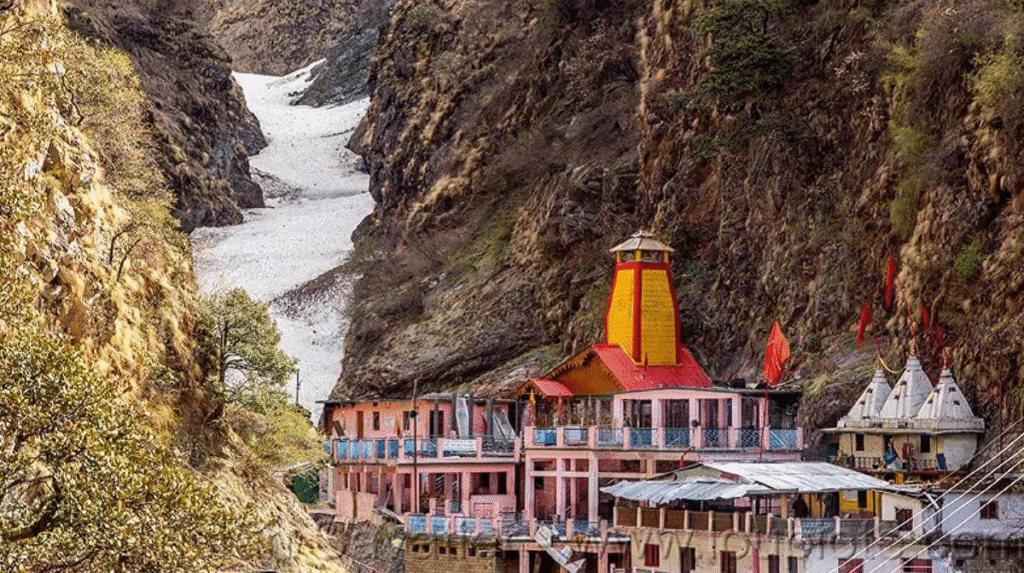
There are trips that fill your photo gallery, and then there are journeys that fill your soul. The Yamunotri yatra is unequivocally the latter.
Imagine standing at the base of the mighty Garhwal Himalayas, the air so crisp it bites, and looking up at a path that promises both exhaustion and ecstasy. This pilgrimage to the source of the holy River Yamuna is the vital first step on the revered Char Dham circuit. It’s a powerful blend of raw, stunning natural beauty—cascading waterfalls, ancient pine forests, and towering, silent peaks—and a deeply personal spiritual quest.
Why do thousands of us choose this arduous path? We seek the blessings of Goddess Yamuna, who is believed to grant salvation. But honestly, for many, the true draw is the challenge itself. The trek is an offering in motion, a physical act of devotion that somehow clears the mind and calms the spirit.
If the Himalayas are calling your name, and you’re ready to embrace a journey that will stay with you forever, this is your friendly, fully-detailed guide. We’ll give you the real-talk tips, budget clarity, and heart-to-heart insights you need for a successful Yamunotri yatra.
💖 The Heart of the Journey: Why We Go
When I stood there, right before the 6 km climb, I didn’t feel like a tourist. I felt like a pilgrim, a tiny speck against the enormity of the mountains. That’s the human core of the Yamunotri yatra.
The path is lined with small moments that hit you right in the chest: the shared laughter with a fellow traveler resting by a tea stall; the deafening silence of the high mountains; the sight of an 80-year-old grandmother tackling the climb with a fierce, quiet determination. It reminds you that this journey isn’t just about reaching the temple; it’s about what you become on the way up.
💰 Let’s Talk Real Money: Budgeting Your Yamunotri Yatra
The cost of this journey is totally up to you. Are you happy sleeping in a simple dharamshala and sharing a jeep, or do you prefer a private cab and a cozier bed? Here’s a realistic idea of what to expect for a 2-3 day trip starting from a hub like Haridwar or Rishikesh.
Transportation (The Biggest Cost)
Low-Budget Pilgrim: If you’re willing to spend a bit more time traveling, rely on state buses (to Barkot) and then shared taxis (to Janki Chatti, the trek base). Think of spending around ₹1,500 to ₹2,500 for the round trip.
Mid-Range Traveler: Booking a reserved seat in a Tempo Traveller or sharing an SUV with known people offers much more comfort. Expect this to cost between ₹3,000 to ₹5,000 round trip.
Comfort/Flexible Budget: Hiring a private taxi (like a Sedan or SUV) means maximum flexibility and speed. This will be your splurge, costing roughly ₹8,000 to ₹12,000 for the entire round trip.
Stay, Food, and Trekking
Accommodation (2 Nights): After a long drive, a warm bed is essential.
Budget: Simple lodges or dharamshalas in Barkot or Janki Chatti can cost as little as ₹400 to ₹800 per night. Basic but clean.
Mid-Range: Standard hotels or GMVN guest houses are usually ₹1,500 to ₹3,000 per night.
Food Expenses: The food is simple, delicious North Indian dhabha fare.
You can easily manage on ₹300 to ₹400 per day eating simple thalis and having lots of hot chai.
For more varied meals and frequent snacks, plan on ₹500 to ₹750 per day.
Trekking Assistance: The 6 km trek is demanding.
On Foot: It’s free and the most rewarding!
Pony/Palki (Doli): If you need help, expect a one-way pony ride to cost between ₹1,500 and ₹2,500, depending on the crowd and season. A doli (carried by porters) is much more expensive.
Mandatory Check: Your Yamunotri yatra, like all Char Dhams, requires FREE biometric registration. Don’t forget this!
📅 When to Go: Timing is Everything
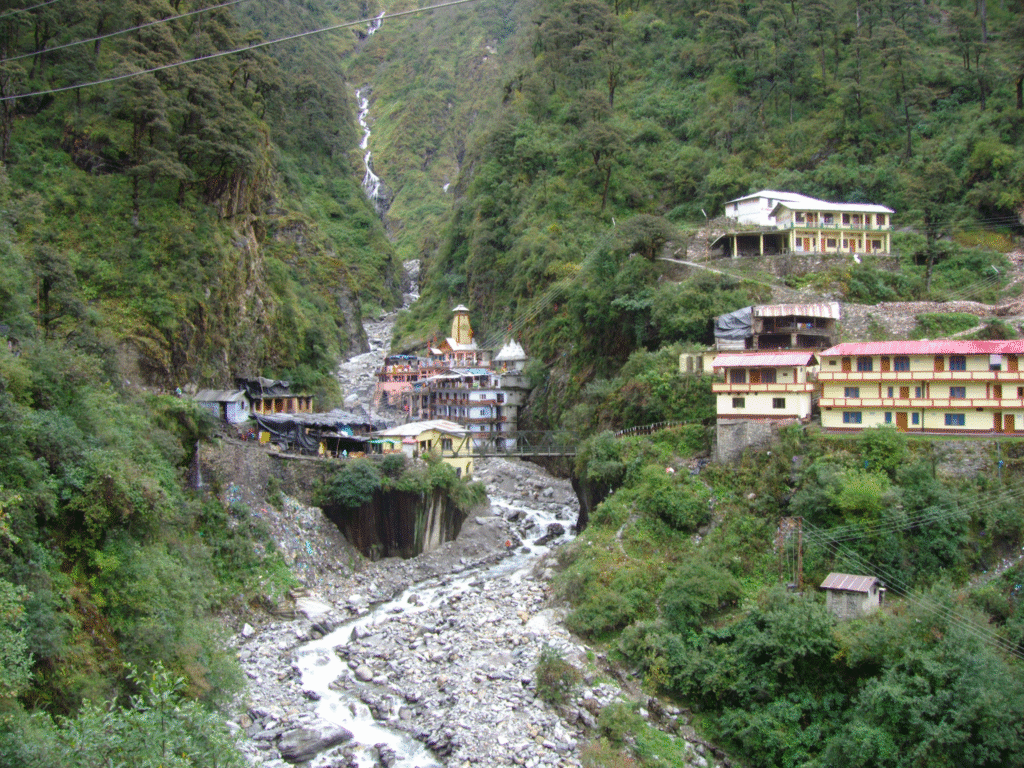
The mountain gates are only open for a short time each year. You want the best weather for this demanding trek.
Sweet Spot: May and June. The weather is perfectly pleasant—cool in the evenings, but warm enough during the day (around $15^\circ\text{C}$ to $22^\circ\text{C}$). The downside? It’s the peak season, so expect crowds.
My Favorite: September and October. After the monsoon dust settles, the skies become incredibly clear, offering the best views. The air is crisp, and the crowds thin out a bit. Just remember to pack extra warm layers for those frosty nights!
Avoid: Late July and August. This is the monsoon season. Roads become highly vulnerable to landslides, and the trekking path turns slippery and dangerous. The temple closes for winter around October/early November (Bhai Dooj).
If you just want to focus only on the journey you can also contact tour and travel companies like The Mountain Trekker who will take care of everthing from food to stay and everthing.
🗺️ The Path Less Traveled: Your 3-Day Itinerary
Day 1: The Road to the Rest Point
The Drive: Leave Haridwar/Rishikesh by 6 AM. This is a long, winding 6 to 8-hour drive to Barkot (or further to Janki Chatti).
What to Expect: The road gradually takes you higher, and you’ll start feeling the fresh, cooler mountain air. We recommend staying in Barkot—it’s a bigger town with better amenities, and getting a good night’s rest is crucial for tomorrow’s trek.
Day 2:
Drive to Janki Chatti. Start your 6 km trek as early as possible (ideally by 7 AM) to beat the mid-day sun and the crowds.
The Trek Experience: The path is well-laid but consistently uphill. Take frequent breaks. You’ll see beautiful waterfalls and small, rustic tea shops.
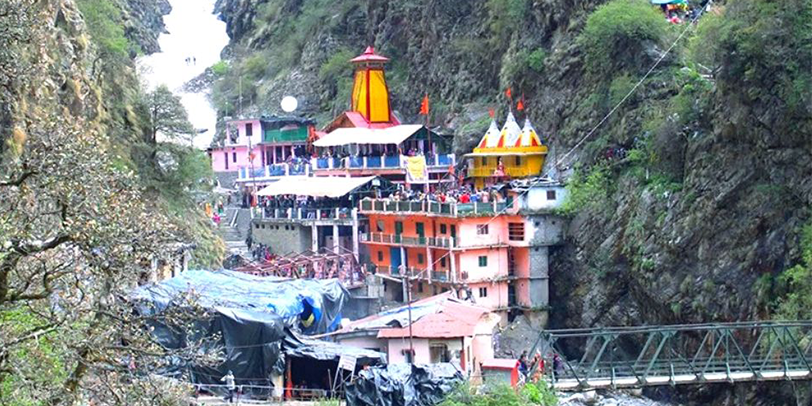
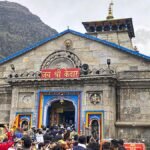
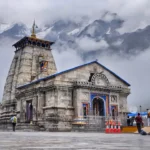
Temple Highlights: When you finally reach the top, the first thing you’ll experience is the Surya Kund—the natural, boiling hot spring. This is where pilgrims traditionally cook rice as an offering (prasad). Next, you’ll bow before the Divya Shila before entering the simple, profound Yamunotri Temple.
The Feeling: The reward is the moment you stand by the dark, cold source of the Yamuna River. It’s a feeling of absolute peace and quietude after the effort.
Descend back to Janki Chatti (much faster, 3-4 hours) and head back to Barkot for the night.
Day 3: Memories and the Way Home
Wake up early and drive back to Haridwar or Rishikesh, carrying the sacred memories and a profound sense of accomplishment from your successful Yamunotri yatra.
📝 Essential Human Advice for the Trek
Layer Up, Seriously: The temperature can swing wildly. You need thermals, a heavy jacket, a scarf, gloves, and a warm cap. Always dress in layers you can shed or add quickly.
Shoes are Your Best Friend: Invest in good, broken-in trekking shoes with excellent grip. This is not the place for sneakers!
Altitude Health: Slow down. The air is thinner. Drink water constantly—not just tea—to ward off altitude sickness.
Carry enough cash for your food, tips, and emergencies.
Registration First: Do your mandatory biometric registration (can be done in Rishikesh, Haridwar, or Barkot) before you proceed to the final stage. You will be stopped if you don’t have it.
Mobile Network: Don’t rely on it. You might get patchy connectivity (mostly Jio and Airtel) until Barkot, but expect to be off the grid on the trek itself. Enjoy the digital detox!
✨ The Farewell Message
The Yamunotri yatra will be tough.
Go, conquer that ascent, and let the blessings of the Mother Yamuna guide your way!
If you loved reading about Yamunotri Yatra blog you might also like Chardham Yatra Budget blog.



Leave a Reply